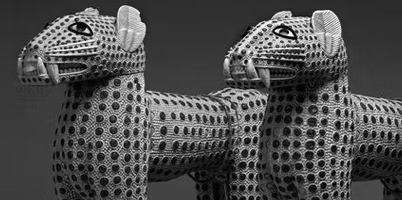
Itan Edo

Itan Edo, meaning “the story of Benin Kingdom,” presents the history of Benin from an indigenous perspective using exclusively Benin-authored sources. Covering the period from the Ogiso dynasty to the twentieth century, it weaves together origin stories, political developments, oral traditions and cultural practices. Itan Edo connects historical events, places, rulers and institutions through multiple access points, offering a comprehensive and Benin-centred understanding of the kingdom’s history, culture and material heritage.

Preamble

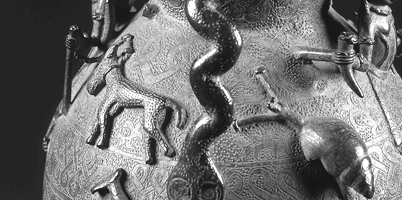
The history of the Benin Kingdom is rooted in Edo oral traditions and artistic expression. From its origins and early dynasties, the kingdom grew into a powerful empire, with changing names and enduring traditions reflecting its political, cultural, and social development.

Origin of the People

The history of the Benin Kingdom is rooted in Edo oral traditions and artistic expression. From its origins and early dynasties, the kingdom grew into a powerful empire, with changing names and enduring traditions reflecting its political, cultural, and social development.

Kings

The Benin monarchy evolved through the gradual aggregation of village-based socio-political systems into a centralised political authority. The Ogiso dynasty comprised thirty-one kings, beginning with Ogiso Igodo. The Ọba dynasty began after the interregnum with Ọba Ọrọnmiyan, and the present monarch is its fortieth king.

Queens, Queen Mothers and Prominent Women

The Iy’Ọba title was established by Ọba Ẹsigie in the sixteenth century to honour and protect his mother for her role in securing his kingship and supporting his success in the Benin-Idah War. The section presents Queen Mothers and prominent Benin women.

Chiefs (Ennobled Elders)

The Ọba administers the Benin Kingdom with the support of a hierarchy of chiefs, including the Uzama, Eghaevbo n’Ore, and Eghaevbo n’Ogbe. These functional groups have evolved since the Ogiso dynasty, with each grade comprising junior chiefs, palace functionaries, and guilds in the service of the Ọba.

Guilds

Palace guilds are groups of functionaries attached to different palace titles, with craftsmen organised to protect their trades under the supervision of palace chiefs. The Ọba oversaw the guilds through palace societies, organising them into quarters to ensure standards and regulate membership. Some guilds were reserved for certain families.

Sites

Benin City and beyond are home to many historical places, including altars and shrines where the Ọba and chiefs perform rituals and celebrate festivals. Other sites commemorate landmark historical events, while sacred places preserve sacramentals and objects dedicated to deities and the collective spirit of the dead.

Palace societies

Palace societies (Eghaevbo N’Ogbe) provide specialised services to the Ọba and his court and household. The chiefs reside in the quarters known as Ogbe, led by Uwangue, and are divided into three sections: Iwebo (wardrobe and regalia), Iweguae (attendants), and Ibiwe (harem).

Ancient and historical towns or villages
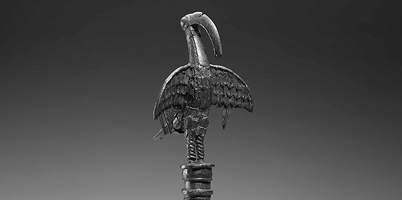
These towns and villages in the Benin Kingdom predate the Ọba dynasty, while others are historically significant places from the Ogiso and Ọba dynasties. The aboriginal villages are classified into two groups: Ubini N’owa and Ubini N’urria, all connected to the capital, Benin City.

Festivals and Ceremonies

The Benin people are known for the richness, uniqueness, and diversity of their cultural festivities and traditional ceremonies. During the reign of Ọba Akẹnzua I, a period was set aside for festivities (Ugie-Ọyẹmwẹ). Common festivals include Ugie-oro, Igue, and Irorimwin, while others are exclusively court activities for the sanctification and fortification of the Ọba as divine king.

Family Salutations

Family salutation dates back to the reigns of Ogiso Irrebo (c. 618–632) and Ogiso Ogbomo (c. 632–647). Known as Ukhu N’a Tuẹ or Ukhu Ẹgbẹ, it evolved in ancient Benin Kingdom as Ukhu Ewae, a pattern of greeting associated with people connected by blood, marriage, pawnship, servitude, or indenture. It identifies family groups and expresses respect for elders.

Proverbs

This section presents object-related proverbs, idioms, sayings, and expressions in the Edo language, with English-language translations. These expressions reflect cultural and historical meanings and show how communication depends on the ability to decode their meaning in context.
Sensitive Content

Digital Benin collates digital material from institutions, and some of this material is inherently colonial and contains words, terms and phrases that are inaccurate, derogatory and harmful towards African and African diasporic communities. Catalogue transcriptions, book titles, exhibition titles and museum titles may contain harmful terms. We recognise the potential for the material to cause physical and mental distress as well as evoke strong emotions. Owing to the scale of the collection’s data, a process to implement sensitive-content warnings in the displayed data is still incomplete. The material within the catalogue does not represent Digital Benin’s views. Digital Benin maintains a strong anti-colonial, anti-racist position and affirms its support for centring the humanity of historically marginalised and disenfranchised communities. Read more about the background of this statement here