Loading...



ID
464416
Institution
Omo n'Oba n'Edo Uku Akpolokpolo, Ọba of Benin & National Commission for Museums and Monuments, Nigeria Restituted
Previously owned by Ethnologisches Museum, Staatliche Museen zu Berlin
Edo designations

English designations
Categories
Institution Location
1 Adesogbe (Plymouth) Road, P.M.B. 1115, Benin City , Edo State
ID
464416
Institution
Omo n'Oba n'Edo Uku Akpolokpolo, Ọba of Benin & National Commission for Museums and Monuments, Nigeria Restituted
Previously owned by Ethnologisches Museum, Staatliche Museen zu Berlin
Edo designations
English designations
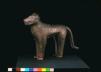
Aquamanile
Categories
Altar & Shrine Objects
Ceremonial Objects
Containers
Institution Location
1 Adesogbe (Plymouth) Road, P.M.B. 1115, Benin City , Edo State
Iconographies
1
annotations
Ẹkpẹn
Leopard
1 annotation

Provenance
6
events
Institution data
Ethnologisches Museum, Staatliche Museen zu Berlin
The data was transferred directly by the institution.
Last updated: 2021-06-14
Language: german
| Institution field | Value |
|---|---|
ID object id | 464416 |
Sachbegriff designation | Sachbegriff: Wassergefäß aus Messing; Sachbegriff: Plastik; Sachbegriff: Fragment einer Tierplastik |
Titel designation | Titel: Leopard (Aquamanile) |
Objektref. description | VIII A 12108, Positiv, SW, Panther aus Bronze, Kurt Grunst (*04.04.1921); VIII A 14289, Positiv, SW, Leopard, Bronze, Landesbildstelle Bonn; E 100/1900, Erwerbung: IX 67-72, übertragen nach III C 10877-10882, Panther, Kopf mit Schlangen u. Vögeln, Platte mit [kl. Zeichnung Muster] im Grund, Platte, Mann mit Bogen & Schwert 20.VII.00, Leigabe Prof. H. Meyer, jetzt Kauf von Webster, 1900, Hans Meyer (22.3.1858 - 5.7.1929) |
Texte Online description | Online Beschreibung, Bei dem Leoparden handelt es sich um ein Aquamanile, ein Gießgefäß für die rituelle Waschung des Königs vor Zeremonien an den Ahnenaltären. [Benin_Königreich] |
Material / Technik material | Material: Messing; Ausgabe: Messing; Ausgabe (engl.): Brass |
Material / Technik // Alle material | Messing, Brass, Messing |
Maße dimensions | 44,00 x 15,00 x 66,50 cm; 10,40 kg |
Objekttyp object type | Allgemein |
Sachbegr. Ausgabe object type | Aquamanile |
Anzahl Teile object count | 1 |
Datierung date made | 17. Jh. |
Geogr. Bezüge production place | Nigeria ( Land ); Benin ( Königreich ) |
Geogr. Bezüge // Alle production place | Nigeria, Benin |
Beteiligte prior source | Hans Meyer (22.3.1858 - 5.7.1929), Sammler |
Beteiligte // (Name, Sortierung=kleinste) prior source | Meyer, Hans |
Veräußerer prior source | null |
Erwerb. Notiz provenance | Notiz: Rückführung Wiesbaden; Ausgabe: 17. Jh., Auftragsarbeit der Igun Eronmwon oder Gilde der Messinggießer im Königreich Benin; Besitz vor 1897 derzeit unbekannt; geplündert im Zusammenhang mit der britischen Eroberung von Benin, 1897; in unbekanntem Besitz nach der Eroberung des Königreichs Benin; ersteigert von Hans Meyer bei Stevens' Auction Rooms Ltd., London (J.C. Stevens), 1899; Leihgabe von Hans Meyer an das Königliche Museum für Völkerkunde Berlin; Ankauf durch das Museum, ca. 1900. |
Verw. Institution department and institution | Ethnologisches Museum, Staatliche Museen zu Berlin |
Erwerb. Datum accession date | 1900 |
Besitzart accession method | Eigentum |
Erwerbungsart accession method | Ankauf |
Digital Assets images | Vorlage; III C 10877 ( VIII A 16647 FDd ).jpg, Vorlage; Vorlage; Vorlage; Vorlage; Vorlage; Vorlage; III C 10877 ZP.doc, Office; III C 10877 -A.jpg, Repro Digitalisat; III C 10877 -D.jpg, Repro Digitalisat; III C 10877-Rio.jpg, Vorlage; Vorlage; Repro Digitalisat; III C 10877 -C.jpg, Repro Digitalisat; III C 10877.jpg, Repro Digitalisat |
Erwerb. Nr. | I/33/1900 |
Ident. Nr. object id | III C 10877 |
Ident. Nr. // (Sortiernr.) object id | 0003 C 10877 |
Obj. Status | vorhanden |
Ethnologisches Museum, Staatliche Museen zu Berlin
The data was downloaded via a public data access of the institution.
Last updated: 2021-06-06
Language: german
| Institution field | Value |
|---|---|
id_in_md_subset object id | 21415 |
object_inventory_number object id | III C 10877 |
object_name designation | Leopard |
object_description description | Bei dem Leoparden handelt es sich um ein Aquamanile, ein Gießgefäß für die rituelle Waschung des Königs vor Zeremonien an den Ahnenaltären. Sammler: Meyer, Hans |
object_material_technique material production technique | Messing |
object_dimensions dimensions | Objektmaß: 44 x 15 x 66,5 cm; Gewicht: 10,4 kg |
object_type object type | Aquamanile |
object_events/0/time/time_end date made | 1699 |
object_events/0/time/time_name date made date made | 1600-1699 |
object_events/0/time/time_start date made date made | 1600 |
object_events/1/time/time_end date made | 1699 |
object_events/1/time/time_name date made | 1600-1699 |
object_events/1/time/time_start date made | 1600 |
object_events/0/place/place_name production place | Nigeria |
object_events/0/place/place_note production place production place | "Nigeria [niˈgeːʁi̯a] (amtlich englisch Federal Republic of Nigeria [naɪ̯ˈdʒɪ(ə)ɹɪ̯ə] – Bundesrepublik Nigeria) ist ein Bundesstaat in Westafrika, der an den Atlantik und die Länder Benin, Niger, Tschad und Kamerun grenzt. Es ist mit über 200 Millionen Einwohnern (2018) mit Abstand das bevölkerungsreichste Land Afrikas und weltweit das Land mit der siebtgrößten Bevölkerung. Im Zeitraum von 1989 bis 2019 hat sich die Bevölkerungszahl des Landes verdoppelt. Nigerias Hauptstadt ist Abuja, seine mit Abstand größte Stadt ist Lagos mit rund 18 Millionen Einwohnern; weitere Millionenstädte sind Ibadan, Benin-Stadt, Kano, Port Harcourt und Kaduna." - (de.wikipedia.org 22.10.2019) |
object_events/1/place/place_latitude production place | 8.833333015441895 |
object_events/1/place/place_longitude production place | 2.183333396911621 |
object_events/1/place/place_name production place production place | Benin |
object_events/1/place/place_note production place production place | "Benin [beˈniːn] (französisch Bénin [beˈnɛ̃]) ist ein Staat in Westafrika. Er grenzt im Westen an Togo, im Norden an Burkina Faso und Niger, im Osten an Nigeria und im Süden an den Golf von Guinea, genauer die Bucht von Benin. Bis 1975 hieß das Land Dahomey. Die Bezeichnung steht in Tradition zum historischen Königreich Dahomey, das bis zur Eroberung durch die Franzosen Ende des 19. Jahrhunderts den südlichen Teil des modernen Staates und des Nachbarstaates Togo umfasste. Von 1975 bis 1990 hieß es Volksrepublik Benin." - (de.wikipedia.org 20.10.2019) |
object_events/2/people/displayname provenance | Hans Meyer (1858-1929) |
object_events/2/people/people_display_name provenance | Hans Meyer (1858-1929) |
object_events/2/people/people_name provenance | Hans Meyer |
object_events/2/people/people_short_description provenance | "Hans Heinrich Josef Meyer (* 22. März 1858 in Hildburghausen; † 5. Juli 1929 in Leipzig) war ein deutscher Geograph, Verleger, Forschungsreisender, Kolonialpolitiker und einer der Erstbesteiger des Kilimandscharo." - (de.wikipedia.org 29.11.2020) |
object_institution/institution_name department and institution | Ethnologisches Museum |
licence/metadata_rights_holder legal status | Ethnologisches Museum |
licence/metadata_rights_status license license | CC BY-NC-SA |
object_images/creator license | Martin Franken |
object_images/owner license | Ethnologisches Museum, Staatliche Museen zu Berlin |
object_images/rights license | CC BY-NC-SA |
object_images/preview images | 200w_29233057786.jpg |
object_images/quell_id images | 677537 |
object_images/subset images | smb |
object_images/subset_id images | 24884 |
object_images/type images | image |
object_links/0/link_text weblink | http://www.smb-digital.de/eMuseumPlus?service=ExternalInterface&module=collection&objectId=464416 |
inst_subset_id | 11 |
langs | de |
md_subset | smb |
object_collection/collection_id | 3918 |
object_collection/collection_name | Afrika |
object_events/0/event_id | 1073027 |
object_events/0/event_people_certain | j |
object_events/0/event_place_certain | j |
object_events/0/event_time_certain | j |
object_events/0/event_type | 1 |
object_events/0/event_type_name | Hergestellt |
object_events/0/people/displayname | |
object_events/0/people/people_display_name | |
object_events/0/people/people_id | |
object_events/0/people/people_name | |
object_events/0/people/people_short_description | |
object_events/0/people_id | 0 |
object_events/0/place/place_geonames | 2328926 |
object_events/0/place/place_id | 5374 |
object_events/0/place/place_latitude | 9 |
object_events/0/place/place_longitude | 8 |
object_events/0/place/place_tgn | 1000182 |
object_events/0/place/place_zoom | 9 |
object_events/0/place_id | 5374 |
object_events/0/time_id | 8346 |
object_events/1/event_id | 1073029 |
object_events/1/event_people_certain | j |
object_events/1/event_place_certain | j |
object_events/1/event_time_certain | j |
object_events/1/event_type | 1 |
object_events/1/event_type_name | Hergestellt |
object_events/1/people/displayname | |
object_events/1/people/people_display_name | |
object_events/1/people/people_id | |
object_events/1/people/people_name | |
object_events/1/people/people_short_description | |
object_events/1/people_id | 0 |
object_events/1/place/place_geonames | 2395170 |
object_events/1/place/place_id | 13037 |
object_events/1/place/place_tgn | 1000160 |
object_events/1/place/place_zoom | 9 |
object_events/1/place_id | 13037 |
object_events/1/time_id | 8346 |
object_events/2/event_id | 1073028 |
object_events/2/event_people_certain | j |
object_events/2/event_place_certain | j |
object_events/2/event_time_certain | j |
object_events/2/event_type | 8 |
object_events/2/event_type_name | Gesammelt |
object_events/2/people/people_id | 44141 |
object_events/2/people_id | 44141 |
object_events/2/place/place_id | |
object_events/2/place/place_latitude | |
object_events/2/place/place_longitude | |
object_events/2/place/place_name | |
object_events/2/place/place_zoom | |
object_events/2/place_id | 0 |
object_events/2/time/time_end | |
object_events/2/time/time_name | |
object_events/2/time/time_start | |
object_events/2/time_id | 0 |
object_events/3/event_id | |
object_events/3/event_people_certain | |
object_events/3/event_place_certain | |
object_events/3/event_time_certain | |
object_events/3/event_type | |
object_events/3/event_type_name | |
object_events/3/people/displayname | |
object_events/3/people/people_display_name | |
object_events/3/people/people_id | |
object_events/3/people/people_name | |
object_events/3/people/people_short_description | |
object_events/3/people_id | |
object_events/3/place_id | |
object_events/3/time_id | |
object_id object id | 491779 |
object_images/filename_loc images | http://www.smb-digital.de/eMuseumPlus?service=ImageAsset&module=collection&objectId=464416&resolution=superImageResolution#254467 |
object_images/folder | resources/images/201806 |
object_images/intern | n |
object_images/is_main | j |
object_images/name images | http://www.smb-digital.de/eMuseumPlus?service=ImageAsset&module=collection&objectId=464416&resolution=superImageResolution#254467 |
object_images/order | 0 |
object_institution/institution_id | 583 |
object_last_updated | 2021-01-30 03:09:44 |
object_links/0/link_added_on | 2018-06-29 23:30:57 |
object_links/0/link_display | Das Objekt bei SMB-digital |
object_links/1/link_added_on | |
object_links/1/link_display | |
object_links/1/link_text weblink | |
object_tags/0/tag_id | 307 |
object_tags/0/tag_name | Messing |
object_tags/1/tag_id | |
object_tags/1/tag_name | |
objekt_socialmedia | 1 |
Sections
About
Other
Sensitive content
Sensitive Content Digital Benin includes colonial material that may contain inaccurate, derogatory or harmful language relating to African and African diasporic communities. Such language may appear in catalogue records, transcriptions, and book, exhibition or museum titles. We recognize that this material may cause distress. Sensitive-content warnings are being implemented across the collection, but this process is ongoing. The language does not reflect Digital Benin’s views; we take an anti-colonial and anti-racist position and are committed to centring the humanity of historically marginalised communities.