Ethnologisches Museum, Staatliche Museen zu Berlin
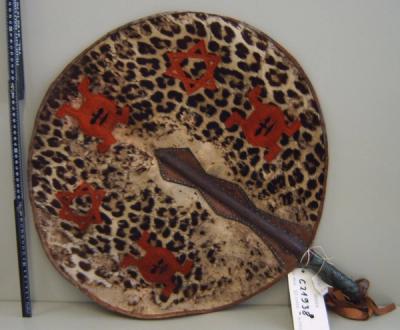
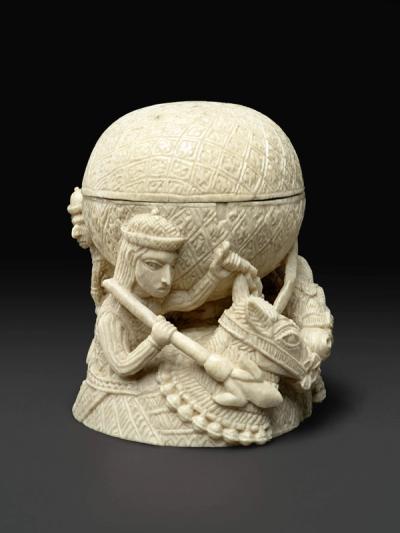
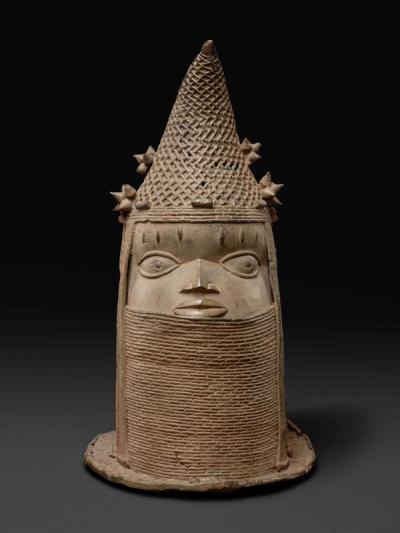
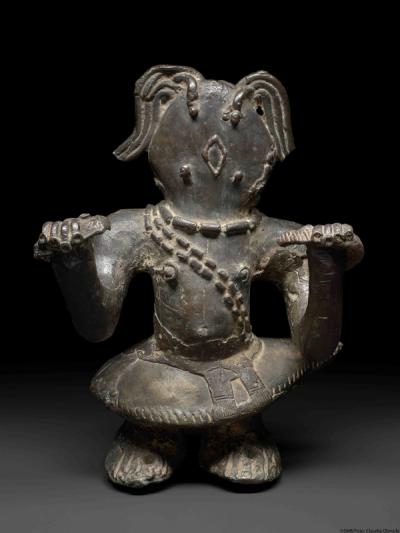
Objects in collection
11All documents created between 1830 and 1947 are being digitised and will be available in 2024. For more information on the museum’s digitisation project, see: https://www.smb.museum/en/museums-institutions/ethnologisches-museum/collection-research/research/digitization-historical-archive-ethnologisches-museum/
Useful tools to consult when carrying out research at the Ethnologisches Museum:
https://www.smb.museum/fileadmin/website/Institute/Zentralarchiv/Bestaende/Dokumente/ZA_Findliste_Gesamtbestand_Museum_fuer_Voelkerkunde.pdf
https://www.smb.museum/fileadmin/website/Institute/Zentralarchiv/Bestaende/Dokumente/ZA_Findbuch_Museum_fuer_Voelkerkunde_Abt_Afrika.pdf
Archival units
7All documents created between 1830 and 1947 are being digitised and will be available in 2024. For more information on the museum’s digitisation project, see: https://www.smb.museum/en/museums-institutions/ethnologisches-museum/collection-research/research/digitization-historical-archive-ethnologisches-museum/
Useful tools to consult when carrying out research at the Ethnologisches Museum:
https://www.smb.museum/fileadmin/website/Institute/Zentralarchiv/Bestaende/Dokumente/ZA_Findliste_Gesamtbestand_Museum_fuer_Voelkerkunde.pdf
https://www.smb.museum/fileadmin/website/Institute/Zentralarchiv/Bestaende/Dokumente/ZA_Findbuch_Museum_fuer_Voelkerkunde_Abt_Afrika.pdf
Sensitive Content Digital Benin includes colonial material that may contain inaccurate, derogatory or harmful language relating to African and African diasporic communities. Such language may appear in catalogue records, transcriptions, and book, exhibition or museum titles. We recognize that this material may cause distress. Sensitive-content warnings are being implemented across the collection, but this process is ongoing. The language does not reflect Digital Benin’s views; we take an anti-colonial and anti-racist position and are committed to centring the humanity of historically marginalised communities.