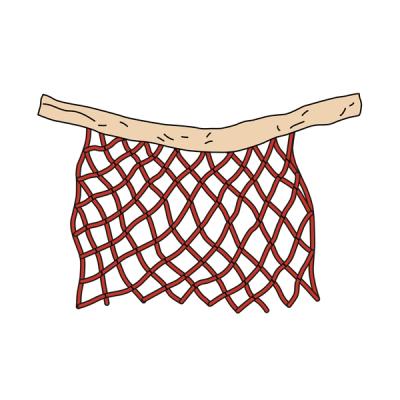
Ugbẹkun
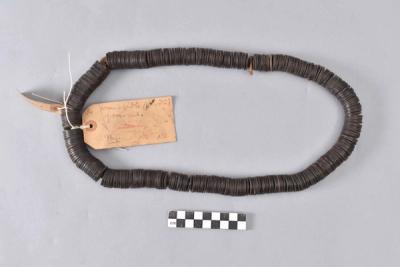
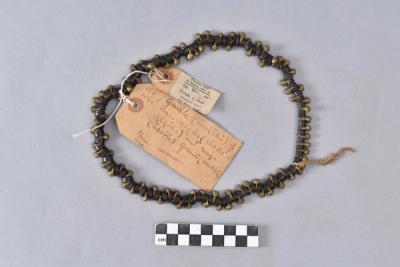
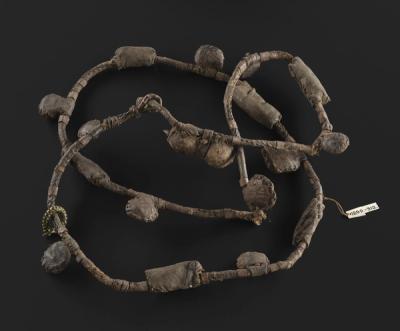
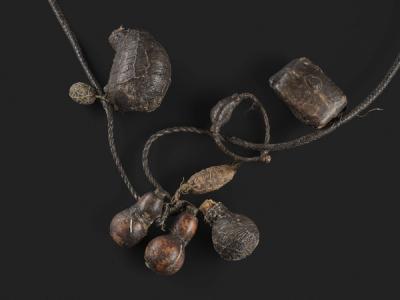
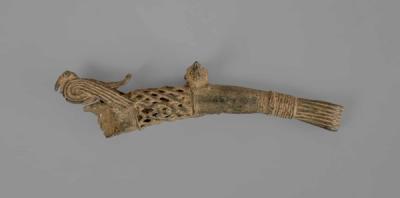
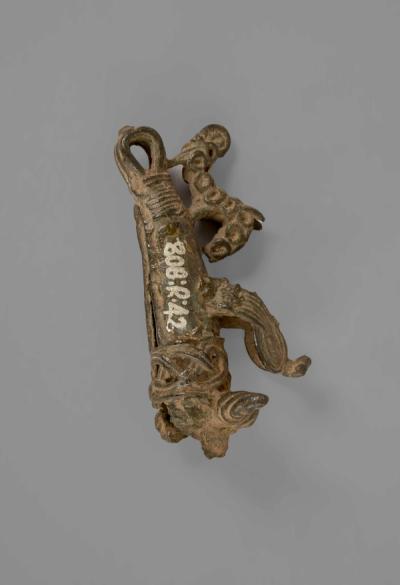
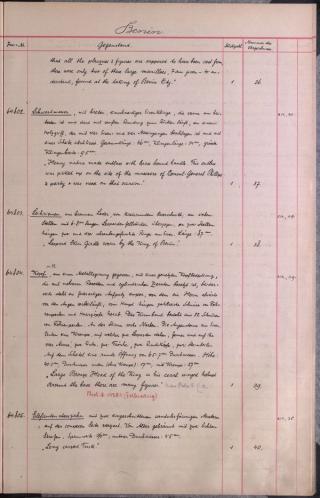
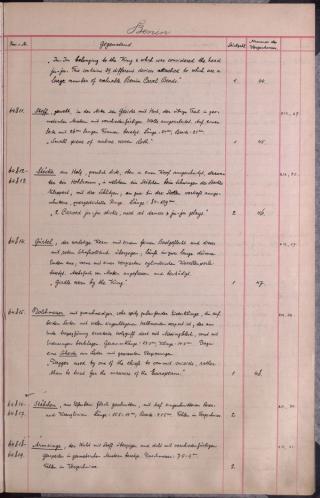
Ugbẹkun (girdle) is the literal translation for ‘objects which are tied around the waist’. Ugue-egen is another word which can be used to describe a girdle-like object. These may be worn by the Ọba or chiefs either underneath or on top of clothing. When underneath, medicine or potent charms may be added for protection. When worn over clothing, pendant masks may be hung from the girdle. Included in the institution data is a leather object called Akpalode, which is a girdle produced by Isekpokin, the royal leather workers, and is infused with herbs and medicine worn by warriors for protection. Also included in the institution data is an object known as Ukugbohamwen, which is worn by the Ọba and the great chiefs during ceremonies. When Ukugbohamwen is worn the Ọba does not feel hunger, and it is believed that he could wear it for two weeks without food or drink.
Ugbẹkun could be made from a range of materials, from animal skins to textiles to beads. Some feature a rectangular section made from textile or beads at the front, similar to an apron. A rare example is cast in brass and is known as ‘Enowe’s girdle’. Enowe was a giant Edo warrior and wore this girdle along with vessels of medicine from Osun to protect him in battle (Peek, 2021, p.175 ).
Educational Material
Digital Benin collates digital material from institutions, and some of this material is inherently colonial and contains words, terms and phrases that are inaccurate, derogatory and harmful towards African and African diasporic communities. Catalogue transcriptions, book titles, exhibition titles and museum titles may contain harmful terms. We recognise the potential for the material to cause physical and mental distress as well as evoke strong emotions. Owing to the scale of the collection’s data, a process to implement sensitive-content warnings in the displayed data is still incomplete. The material within the catalogue does not represent Digital Benin’s views. Digital Benin maintains a strong anti-colonial, anti-racist position and affirms its support for centring the humanity of historically marginalised and disenfranchised communities. Read more about the background of this statement here