Ẹkpẹn

Ẹkpẹn

Description

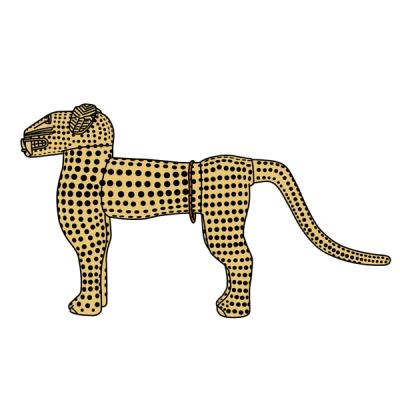
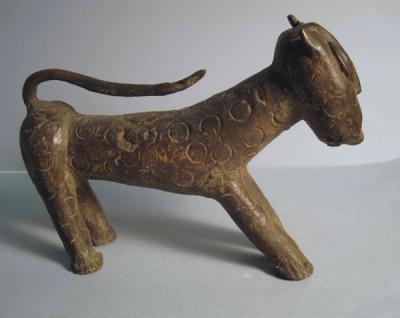
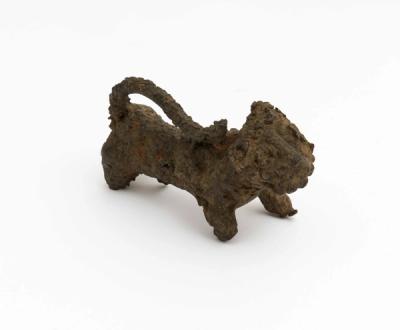
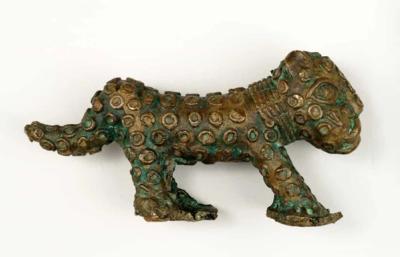
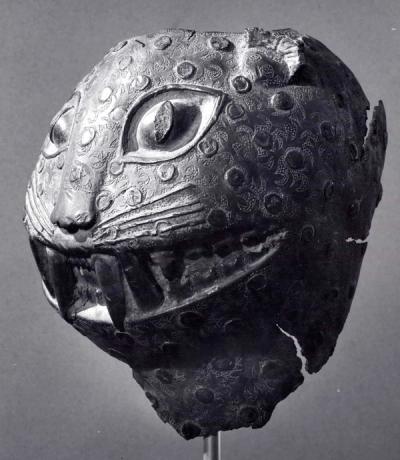
Ẹkpẹn (leopard figures) are widely featured in Benin arts. In Benin, leopards are considered the king of the forest and as such seen as a symbol of authority. The leopard is a royal symbol of kingship because it embodies the qualities of courage, strength, ferocity and wisdom. Leopards were hunted by Iviekpen.

In Edo, leopards are described as the ‘king of the bush’, whereas the Ọba is the ‘king of the home’. Although ferocious, leopards are seen as natural leaders, as powerful animals with qualities of moderation and restraint. Therefore, the Ọba is seen as similar to the leopard, and when depicted on objects or as objects, the leopard symbolises the Ọba. As such, the Ọba is sometimes referred to as the ‘leopard of the house’.

Objects defined as Ẹkpẹn

50 objects
See all
Leopard Figure
Institution
Omo n'Oba n'Edo Uku Akpolokpolo, Ọba of Benin & National Commission for Museums and Monuments, Nigeria
ID
200334
Edo designations
Ẹkpẹn
Restituted
Leopard Figure
Institution
Omo n'Oba n'Edo Uku Akpolokpolo, Ọba of Benin & National Commission for Museums and Monuments, Nigeria
ID
212509
Edo designations
Ẹkpẹn
Restituted
Leopard Figure
Institution
Omo n'Oba n'Edo Uku Akpolokpolo, Ọba of Benin & National Commission for Museums and Monuments, Nigeria
ID
214757
Edo designations
Ẹkpẹn
Restituted
Leopard Figure
Institution
Weltkulturen Museum Frankfurt am Main
Inventory no. [ObjInventarNrS]
8136
Edo designations
Ẹkpẹn
Leopard Figure
Institution
Field Museum
recordNumber
1321060
Edo designations
Urhotọ, Ẹkpẹn
Leopard Figure
Institution
Metropolitan Museum of Art
Object ID
310747
Edo designations
Ẹkpẹn

Objects defined as Ẹkpẹn

50
Leopard Figure
Institution
Omo n'Oba n'Edo Uku Akpolokpolo, Ọba of Benin & National Commission for Museums and Monuments, Nigeria
ID
200334
Edo designations
Ẹkpẹn
Restituted
Leopard Figure
Institution
Omo n'Oba n'Edo Uku Akpolokpolo, Ọba of Benin & National Commission for Museums and Monuments, Nigeria
ID
212509
Edo designations
Ẹkpẹn
Restituted
Leopard Figure
Institution
Omo n'Oba n'Edo Uku Akpolokpolo, Ọba of Benin & National Commission for Museums and Monuments, Nigeria
ID
214757
Edo designations
Ẹkpẹn
Restituted
Leopard Figure
Institution
Weltkulturen Museum Frankfurt am Main
Inventory no. [ObjInventarNrS]
8136
Edo designations
Ẹkpẹn
Leopard Figure
Institution
Field Museum
recordNumber
1321060
Edo designations
Urhotọ, Ẹkpẹn
Leopard Figure
Institution
Metropolitan Museum of Art
Object ID
310747
Edo designations
Ẹkpẹn

Archival documents related to Ẹkpẹn

84 documents
See all
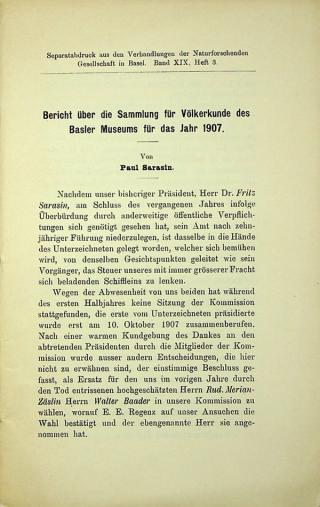
Annual Report
Museum der Kulturen Basel
Reports on the Ethnographic Collections
Date
January 1, 1907
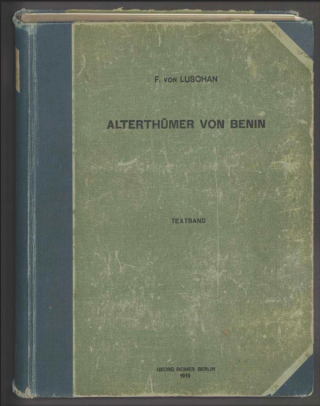
Museum Catalogue
Staatsbibliothek zu Berlin
Die Altertümer von Benin
Date
January 1, 1919 at 12:00:00 AM
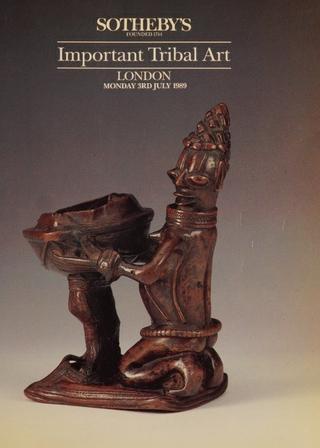
An archival document representing a Auction Catalog of 130 page(s)
Auction Catalogue
Metropolitan Museum of Art
Thomas J. Watson Library sales and auction catalogues
Date
July 3, 1989
Correspondence
Museum der Kulturen Basel
Einlauf III 136
Date
December 1, 1907

Archival documents related to Ẹkpẹn

84
Annual Report
Museum der Kulturen Basel
Reports on the Ethnographic Collections
Date
January 1, 1907
Museum Catalogue
Staatsbibliothek zu Berlin
Die Altertümer von Benin
Date
January 1, 1919 at 12:00:00 AM
An archival document representing a Auction Catalog of 130 page(s)
Auction Catalogue
Metropolitan Museum of Art
Thomas J. Watson Library sales and auction catalogues
Date
July 3, 1989
Correspondence
Museum der Kulturen Basel
Einlauf III 136
Date
December 1, 1907
Sensitive content

Sensitive Content Digital Benin includes colonial material that may contain inaccurate, derogatory or harmful language relating to African and African diasporic communities. Such language may appear in catalogue records, transcriptions, and book, exhibition or museum titles. We recognize that this material may cause distress. Sensitive-content warnings are being implemented across the collection, but this process is ongoing. The language does not reflect Digital Benin’s views; we take an anti-colonial and anti-racist position and are committed to centring the humanity of historically marginalised communities.

Read more about our approach