Loading...
objectnumber
y1968-32
Institution
Princeton University Art Museum 

English designations
Categories
Institution Location
Elm Dr, Princeton, NJ 08544, USA
objectnumber
y1968-32
Institution
Princeton University Art Museum English designations
Male Figure
Portuguese Figure
Categories
Figures
Institution Location
Elm Dr, Princeton, NJ 08544, USA
Iconographies
1
annotations
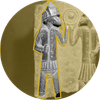
Ebo
European Figures
1 annotation

Provenance
5
events
Institution data
Princeton University Art Museum
The data was transferred directly by the institution.
Last updated: 2021-07-23
Language: english
| Institution field | Value |
|---|---|
objectnumber object id | y1968-32 |
Former-PUAM-Title designation | Figure of a Portuguese |
Title designation | Figure (probably from an altar): Portuguese man |
Core-Cataloguing-Fields/Description description | Standing male figure, legs proportionately very short. Left hand at beard, right holding staff which rests on ground. Wearing hat with cylindrical crown, tied with tasseled cord, and broad, flat brim; buttoned, short-sleeved jacket; pleated, knee-length skirt. Long hair. Large eyes. Beaked nose. Moustache. From accession card. |
Medium material | Brass |
Terms/Medium-Attributes material | brass (alloy), casting (process), lost-wax process |
Measurements dimensions | 11.0 cm x 6.5 cm x 3.5 cm (4 5/16 x 2 9/16 x 1 3/8 in.) |
Core-Cataloguing-Fields/Classification object type | Metal-Figures |
Terms/Classification-Terms object type | fragments, metalwork, statues |
Terms/Subject-Terms iconography | caricatures, figures (representations), men, hats |
Date date made | 17th century |
Search-Dates date made | 1600, 1699 |
maker producer | Edo artist |
Geography/Country production place | Nigeria |
Geography/Place-made production place | Benin Kingdom, Nigeria, Western Africa |
Geography/Region production place | Benin Kingdom |
Geography/SubContinent production place | Western Africa |
Accession-Information/Donor prior source | J. Lionberger Davis, 1878–1973 |
Creditline prior source | Gift of J. Lionberger Davis, Class of 1900 |
Core-Cataloguing-Fields/Provenance provenance | Benin City (Edo), present-day Nigeria, until 1897; [Mathias Komor Works of Fine Art, New York, NY]; J. Lionberger Davis; Princeton University Art Museum, 1968 - Provenance, 2017-04-28, Kristen D. Windmuller-Luna |
Terms/Culture-Terms ethnic attribution | African, Benin |
Accession-Information/Accession-Date accession date | 1968 |
Accession-Information/Accession-Method accession method | Gift |
Exhibition-History/Exhibition/Exhibition-Date exhibition history | |
Exhibition-History/Exhibition/Exhibition-Place exhibition history | |
Exhibition-History/Exhibition/Exhibition-Title exhibition history | |
Exhibition-History/Exhibtion/Exhibition-Date exhibition history | Feb 14, 1981 – Jul 5, 1981 |
Exhibition-History/Exhibtion/Exhibition-Place exhibition history | Princeton University Art Museum |
Exhibition-History/Exhibtion/Exhibition-Title exhibition history | African Tribal Art from the Collection |
Published-References-and-Reproductions/Reference/0 bibliography | "Selected checklist of objects in the collection of African art," Record of the Art Museum, Princeton University 58, no. 1/2 (1999): p. 77–83, p. 78. |
Published-References-and-Reproductions/Reference/1 bibliography | Allen Rosenbaum and Francis F. Jones, Selections from The Art Museum, Princeton University, (Princeton, NJ: The Art Museum, Princeton University, 1986), p. 240 (illus.). |
Published-References-and-Reproductions/Reference/2 bibliography | Alfreda J. Murck, "Acquisitions 1968", Record of the Art Museum, Princeton University 27, no. 2 (1968): p. 94-105, p. 100. |
Published-References-and-Reproductions/Reference/3 bibliography | |
Published-References-and-Reproductions/Reference/4 bibliography | |
Accession-Information/Acquisition-Justification | No justification recorded |
Cataloguer | ADW, Catalogue Date: 2016-10-05 |
Core-Cataloguing-Fields/Department department and institution | African and Oceanic Art |
Geography/Geo-Link | http://www.geonames.org/2328926/federal-republic-of-nigeria.html |
Places/Place/0/Place-Name | Nigeria, Western Africa |
Places/Place/0/Place-link | http://www.geonames.org/2328926/federal-republic-of-nigeria.html |
Places/Place/1/Place-Name | |
Places/Place/1/Place-link | |
Primary-Title | standardized - KDW 12-4-17) |
Related-Media/Media/0/Filename images | INV009204.jpg |
Related-Media/Media/0/Media-Type | Image |
Related-Media/Media/0/Public-Caption | Inventory Project |
Related-Media/Media/0/Ren-Date | 12/9/10 |
Related-Media/Media/0/Rendition-Number | R35568 |
Related-Media/Media/0/view | |
Related-Media/Media/1/Filename images | y1968-32_1.jpg |
Related-Media/Media/1/Media-Type | Image |
Related-Media/Media/1/Public-Caption | Reference Image |
Related-Media/Media/1/Ren-Date | 1/24/18 |
Related-Media/Media/1/Rendition-Number | S56495 |
Related-Media/Media/1/view | |
Related-Media/Media/10/Filename images | |
Related-Media/Media/10/Media-Type | |
Related-Media/Media/10/Public-Caption | |
Related-Media/Media/10/Ren-Date | |
Related-Media/Media/10/Rendition-Number | |
Related-Media/Media/11/Filename images | |
Related-Media/Media/11/Media-Type | |
Related-Media/Media/11/Public-Caption | |
Related-Media/Media/11/Ren-Date | |
Related-Media/Media/11/Rendition-Number | |
Related-Media/Media/11/view | |
Related-Media/Media/12/Filename images | |
Related-Media/Media/12/Media-Type | |
Related-Media/Media/12/Public-Caption | |
Related-Media/Media/12/Ren-Date | |
Related-Media/Media/12/Rendition-Number | |
Related-Media/Media/12/view | |
Related-Media/Media/2/Filename images | y1968-32_2.jpg |
Related-Media/Media/2/Media-Type | Image |
Related-Media/Media/2/Public-Caption | Reference Image |
Related-Media/Media/2/Ren-Date | 1/24/18 |
Related-Media/Media/2/Rendition-Number | S56496 |
Related-Media/Media/2/view | |
Related-Media/Media/3/Filename images | Acc_Af_0058.pdf |
Related-Media/Media/3/Media-Type | Document |
Related-Media/Media/3/Public-Caption | Accession Card |
Related-Media/Media/3/Ren-Date | 11/10/10 |
Related-Media/Media/3/Rendition-Number | R33652 |
Related-Media/Media/3/view | |
Related-Media/Media/4/Filename images | |
Related-Media/Media/4/Media-Type | |
Related-Media/Media/4/Public-Caption | |
Related-Media/Media/4/Ren-Date | |
Related-Media/Media/4/Rendition-Number | |
Related-Media/Media/4/view | |
Related-Media/Media/5/Filename images | |
Related-Media/Media/5/Media-Type | |
Related-Media/Media/5/Public-Caption | |
Related-Media/Media/5/Ren-Date | |
Related-Media/Media/5/Rendition-Number | |
Related-Media/Media/5/view | |
Related-Media/Media/6/Filename images | |
Related-Media/Media/6/Media-Type | |
Related-Media/Media/6/Public-Caption | |
Related-Media/Media/6/Ren-Date | |
Related-Media/Media/6/Rendition-Number | |
Related-Media/Media/6/view | |
Related-Media/Media/7/Filename images | |
Related-Media/Media/7/Media-Type | |
Related-Media/Media/7/Public-Caption | |
Related-Media/Media/7/Ren-Date | |
Related-Media/Media/7/Rendition-Number | |
Related-Media/Media/7/view | |
Related-Media/Media/8/Filename images | |
Related-Media/Media/8/Media-Type | |
Related-Media/Media/8/Public-Caption | |
Related-Media/Media/8/Ren-Date | |
Related-Media/Media/8/Rendition-Number | |
Related-Media/Media/9/Filename images | |
Related-Media/Media/9/Media-Type | |
Related-Media/Media/9/Public-Caption | |
Related-Media/Media/9/Rendition-Number | |
life-dates | Birth: 1100, Death: 1900 |
Princeton University Art Museum
The data was transferred directly by the institution.
Last updated: 2021-02-10
Language: english
| Institution field | Value |
|---|---|
objectid object id | 30960 |
objectnumber object id | y1968-32 |
Primary_Title designation | Figure (probably from an altar): Portuguese man |
displaytitle designation object type | Figure (probably from an altar): Portuguese man |
caption description | Edo artist, Benin Kingdom, Nigeria, Western Africa, Figure (probably from an altar): Portuguese man, 17th century. Brass, 11 × 6.5 × 3.5 cm. Gift of J. Lionberger Davis, Class of 1900 (y1968-32) |
captionhtml description | Edo artist, Benin Kingdom, Nigeria, Western Africa, <i>Figure (probably from an altar): Portuguese man</i>, 17th century. Brass, 11 × 6.5 × 3.5 cm. Gift of J. Lionberger Davis, Class of 1900 (y1968-32) |
texts/0/textentryhtml description | |
texts/0/textpurpose description | |
texts/1/textentryhtml description | |
texts/1/textpurpose description | |
medium material | Brass |
terms/Materials/term material | brass (alloy) |
dimensionelements/Depth dimensions | Overall: 3.47 centimeters |
dimensionelements/Height dimensions | Overall: 11.00 centimeters |
dimensionelements/Width dimensions | Overall: 6.50 centimeters |
dimensionelements/diam dimensions | |
dimensions dimensions | 11.0 cm x 6.5 cm x 3.5 cm (4 5/16 x 2 9/16 x 1 3/8 in.) |
classification object type | Metal |
classifications/0/classification object type | fragments |
classifications/1/classification object type | metalwork |
classifications/2/classification object type | statues |
terms/Subject/0/term iconography | caricatures |
terms/Subject/1/term iconography | figures (representations) |
terms/Subject/2/term iconography | men |
terms/Subject/3/term iconography | hats |
terms/Subject/4/term iconography | |
terms/Subject/5/term iconography | |
datebegin date made | 1600 |
datecomputed date made | 1650 |
dateend date made | 1699 |
daterange date made | A.D. 1600-1700 |
displaydate date made | 17th century |
makers/datebegin producer | 1100 |
makers/dateend producer | 1900 |
makers/displaymaker producer | Edo artist |
makers/displayname producer | Edo |
makers/role producer | Artist |
makers/suffix producer | artist |
terms/Techniques/0/term production technique | casting (process) |
terms/Techniques/1/term production technique | lost-wax process |
geography/continent production place | Africa |
geography/country production place | Nigeria |
geography/displaygeography production place | Place made: Africa, Nigeria, Benin Kingdom |
geography/geoname production place | http://www.geonames.org/2328926/federal-republic-of-nigeria.html |
geography/location production place | |
geography/region production place | Benin Kingdom |
geography/subcontinent production place | Western Africa |
creditline prior source | Gift of J. Lionberger Davis, Class of 1900 |
cultureterms/0/culture ethnic attribution | African |
cultureterms/1/culture ethnic attribution | Benin |
displaymaker ethnic attribution | Edo artist |
terms/Culture/0/term ethnic attribution | African |
terms/Culture/1/term ethnic attribution | Benin |
department department and institution | African and Oceanic Art |
accessionyear accession date | 1968-01-01 |
exhibitions/begindate exhibition history | |
exhibitions/citation exhibition history | |
exhibitions/enddate exhibition history | |
exhibitions/exhibitionid exhibition history | |
exhibitions/isvirtual exhibition history | |
exhibitions/uri exhibition history | |
bibliography/0/boilertext bibliography | "Selected checklist of objects in the collection of African art," <em>Record of the Art Museum, Princeton University</em> 58, no. 1/2 (1999): p. 77–83. |
bibliography/0/citation bibliography | "Selected checklist of objects in the collection of African art," <em>Record of the Art Museum, Princeton University</em> 58, no. 1/2 (1999): p. 77–83., p. 78 |
bibliography/0/date bibliography | 1999 |
bibliography/0/id bibliography | 3043 |
bibliography/0/uri bibliography | https://www.jstor.org/stable/3774794 |
bibliography/1/boilertext bibliography | Allen Rosenbaum and Francis F. Jones,<em> Selections from The Art Museum, Princeton University, </em>(Princeton,&nbsp;NJ: The Art Museum, Princeton University, 1986) |
bibliography/1/citation bibliography | Allen Rosenbaum and Francis F. Jones,<em> Selections from The Art Museum, Princeton University, </em>(Princeton,&nbsp;NJ: The Art Museum, Princeton University, 1986), p. 240 (illus.) |
bibliography/1/date bibliography | 1986 |
bibliography/1/id bibliography | 1899 |
bibliography/1/uri bibliography | http://www.worldcat.org/oclc/14244748 |
bibliography/2/boilertext bibliography | Alfreda J. Murck, "Acquisitions 1968", <EM>Record of the Art Museum, Princeton University</EM> 27, no. 2 (1968): p. 94-105. |
bibliography/2/citation bibliography | Alfreda J. Murck, "Acquisitions 1968", <EM>Record of the Art Museum, Princeton University</EM> 27, no. 2 (1968): p. 94-105., p. 100 |
bibliography/2/date bibliography | 1968 |
bibliography/2/id bibliography | 6009 |
bibliography/2/uri bibliography | https://www.jstor.org/stable/3774498 |
bibliography/3/boilertext bibliography | |
bibliography/3/citation bibliography | |
bibliography/3/date bibliography | |
bibliography/3/id bibliography | |
bibliography/3/uri bibliography | |
bibliography/4/boilertext bibliography | |
bibliography/4/citation bibliography | |
bibliography/4/date bibliography | |
bibliography/4/id bibliography | |
bibliography/4/uri bibliography | |
media/0/caption images | Inventory Project |
media/0/id images | 43884 |
media/0/isprimary images | 1 |
media/0/mediatypeid images | 1 |
media/0/mediaviewtype images | (not assigned) |
media/0/rank images | 1 |
media/0/uri images | https://puam-loris.aws.princeton.edu/loris/INV009204.jp2 |
media/1/caption images | |
media/1/id images | |
media/1/isprimary images | |
media/1/mediatypeid images | |
media/1/mediaviewtype images | |
media/1/rank images | |
media/1/uri images | |
media/2/caption images | |
media/2/id images | |
media/2/isprimary images | |
media/2/mediatypeid images | |
media/2/mediaviewtype images | |
media/2/rank images | |
media/2/uri images | |
media/3/caption images | |
media/3/id images | |
media/3/isprimary images | |
media/3/mediatypeid images | |
media/3/mediaviewtype images | |
media/3/rank images | |
media/3/uri images | |
media/4/caption images | |
media/4/id images | |
media/4/isprimary images | |
media/4/mediatypeid images | |
media/4/mediaviewtype images | |
media/4/rank images | |
media/4/uri images | |
media/5/caption images | |
media/5/id images | |
media/5/isprimary images | |
media/5/mediatypeid images | |
media/5/mediaviewtype images | |
media/5/rank images | |
media/5/uri images | |
media/6/caption images | |
media/6/id images | |
media/6/isprimary images | |
media/6/mediatypeid images | |
media/6/mediaviewtype images | |
media/6/rank images | |
media/6/uri images | |
media/7/caption images | |
media/7/id images | |
media/7/isprimary images | |
media/7/mediatypeid images | |
media/7/mediaviewtype images | |
media/7/rank images | |
media/7/uri images | |
primaryimage images | https://puam-loris.aws.princeton.edu/loris/INV009204.jp2 |
campuscollections | false |
classifications/0/id | 2048603 |
classifications/1/id | 2049420 |
classifications/2/id | 2055416 |
cultureterms/0/id | 2041478 |
cultureterms/1/id | 2041570 |
geography/code | Place made |
hasimage | true |
makers/displayorder | 1 |
makers/id | 15703 |
newaccession | 0 |
nowebuse | False |
packages/0/name | |
packages/0/packageid | |
packages/1/name | |
packages/1/packageid | |
published_date | 2019-11-26 |
sortnumber | 1968 32y |
terms/Classification/0/aatid | 300117130 |
terms/Classification/0/id | 2048603 |
terms/Classification/0/term object type | fragments |
terms/Classification/1/aatid | 300015336 |
terms/Classification/1/id | 2049420 |
terms/Classification/1/term object type | metalwork |
terms/Classification/2/aatid | 300047600 |
terms/Classification/2/id | 2055416 |
terms/Classification/2/term object type | statues |
terms/Culture/0/aatid | 300015647 |
terms/Culture/0/id | 2041478 |
terms/Culture/1/aatid | 300015777 |
terms/Culture/1/id | 2041570 |
terms/Materials/aatid | 300010946 |
terms/Materials/id | 2162050 |
terms/Subject/0/aatid | 300015634 |
terms/Subject/0/id | 2051476 |
terms/Subject/1/aatid | 300189808 |
terms/Subject/1/id | 2055657 |
terms/Subject/2/aatid | 300025928 |
terms/Subject/2/id | 2088270 |
terms/Subject/3/aatid | 300046106 |
terms/Subject/3/id | 2131442 |
terms/Subject/4/aatid | |
terms/Subject/4/id | |
terms/Subject/5/id | |
terms/Techniques/0/aatid | 300053104 |
terms/Techniques/0/id | 2152740 |
terms/Techniques/1/aatid | 300053113 |
terms/Techniques/1/id | 2152761 |
texts/0/textstatus | |
texts/0/texttype | |
texts/1/remarks | |
texts/1/textstatus | |
texts/1/texttype | |
update_count | 48 |
Sections
About
Other
Sensitive content
Sensitive Content Digital Benin includes colonial material that may contain inaccurate, derogatory or harmful language relating to African and African diasporic communities. Such language may appear in catalogue records, transcriptions, and book, exhibition or museum titles. We recognize that this material may cause distress. Sensitive-content warnings are being implemented across the collection, but this process is ongoing. The language does not reflect Digital Benin’s views; we take an anti-colonial and anti-racist position and are committed to centring the humanity of historically marginalised communities.