Loading...


ID
210760
Institution
Omo n'Oba n'Edo Uku Akpolokpolo, Ọba of Benin & National Commission for Museums and Monuments, Nigeria Restituted
Previously owned by Ethnologisches Museum, Staatliche Museen zu Berlin
Edo designations

English designations
Categories
Institution Location
1 Adesogbe (Plymouth) Road, P.M.B. 1115, Benin City , Edo State
ID
210760
Institution
Omo n'Oba n'Edo Uku Akpolokpolo, Ọba of Benin & National Commission for Museums and Monuments, Nigeria Restituted
Previously owned by Ethnologisches Museum, Staatliche Museen zu Berlin
Edo designations
English designations
Commemorative Queen Mother Head
Categories
Altar & Shrine Objects
Heads
Institution Location
1 Adesogbe (Plymouth) Road, P.M.B. 1115, Benin City , Edo State
Iconographies
6
annotations
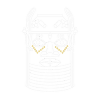
Under Eye Markings
Circular facial markings under eyes
1 annotation

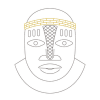
Udahae
Beaded forehead band
1 annotation

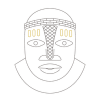
Ikharo
Forehead markings
1 annotation

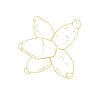
Ititi ako
Star beads
1 annotation

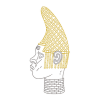
Ukpẹ ọkhọkhọ
Curved conical hairstyle worn by Iy'Ọba
1 annotation


Odigba
Coral beaded collar
1 annotation

Provenance
4
events
Institution data
Ethnologisches Museum, Staatliche Museen zu Berlin
The data was transferred directly by the institution.
Last updated: 2021-06-14
Language: german
| Institution field | Value |
|---|---|
ID object id | 210760 |
Sachbegriff designation | Sachbegriff: Plastik; Sachbegriff: Menschlicher Kopf (Plastik) |
Titel designation | Titel: Gedenkkopf einer Königinmutter (Memorial head of a queen mother) |
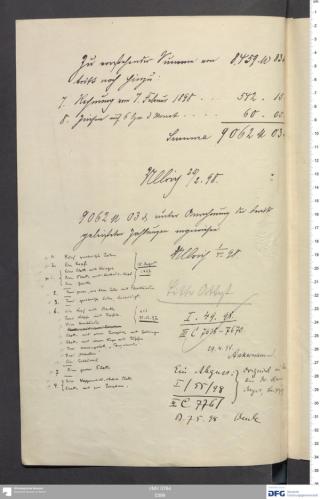
Objektref. description | E 132/1898, Erwerbung: a.) I/49/1898 b.) I/55/1898 + c.) I/129/1898: a.) III C 7638-7670, Ethnogr. (Zähne, Bronzen etc.) (Benin), [Ankauf] Hale & Son + b.) III C 7761, Abguss eines Elephantenzahns (Benin), Original im Besitz von Dr. H. Meyer in Leipzig + c.) VIII 6094 a-c - 6099, Photogr. (BNenin), bei Hale&Son angefertigt, 1898, Hale & Son (1887); VIII A 10720, Positiv, SW, Plastik (Kopf, weibl.), Bronze, Kurt Grunst (*04.04.1921) |
Texte Online description | Online Beschreibung, Die aus dieser Zeit in größerer Zahl erhaltenen Gedenkköpfe sind stark formalisiert. Ihre Gesichter sind weitgehend identisch, die königlichen Insignien dagegen stärker ausgearbeitet, ihre Formen variieren.Im Gegensatz zur runden Kappe des Königs trägt die Königinmutter eine spitze, leicht nach vorn gebogene Haube aus Korallenperlen. [Benin_Königreich] |
Material / Technik material | Material: Messing; Ausgabe: Messing |
Material / Technik // Alle material | Messing, Messing |
Maße dimensions | 50,00 x 24,00 x 25,00 cm; 12,90 kg |
Objekttyp object type | Allgemein |
Sachbegr. Ausgabe object type | Plastik (Sculpture) |
Anzahl Teile object count | 1 |
Datierung date made | 19. Jh. |
Geogr. Bezüge production place | Nigeria ( Land ); Benin ( Königreich ) |
Geogr. Bezüge // Alle production place | Benin, Nigeria |
Beteiligte prior source | Hale & Son (1887), Veräußerer |
Beteiligte // (Name, Sortierung=kleinste) prior source | Hale & Son |
Veräußerer prior source | null |
Erwerb. Notiz provenance | Erwerbung von: Hale & Son; Notiz: Rückführung Wiesbaden; Ausgabe: 19. Jh, im Auftrag für einen königlichen Gedenkaltar gegeben; Standort bis 1897 im Königreich Benin unbekannt; geplündert im Zusammenhang mit der britischen Eroberung von Benin, 1897; versteigert von der Firma Hale & Son, 1897; ersteigert vom Königlichen Museum für Völkerkunde, 1897. |
Verw. Institution department and institution | Ethnologisches Museum, Staatliche Museen zu Berlin |
Erwerb. Datum accession date | 1898 |
Besitzart accession method | Eigentum |
Erwerbungsart accession method | Ankauf |
Digital Assets images | Vorlage; Vorlage; Vorlage; Vervielfältigung; III C 7660.JPG, Repro Digitalisat |
Erwerb. Nr. | I/49/1898 |
Ident. Nr. object id | III C 7660 |
Ident. Nr. // (Sortiernr.) object id | 0003 C 07660 |
Obj. Status | vorhanden |
Ethnologisches Museum, Staatliche Museen zu Berlin
The data was downloaded via a public data access of the institution.
Last updated: 2021-06-06
Language: german
| Institution field | Value |
|---|---|
id_in_md_subset object id | 19874 |
object_inventory_number object id | III C 7660 |
object_name designation | Gedenkkopf einer Königinmutter (Memorial head of a queen mother) |
object_description description | Die aus dieser Zeit in größerer Zahl erhaltenen Gedenkköpfe sind stark formalisiert. Ihre Gesichter sind weitgehend identisch, die königlichen Insignien dagegen stärker ausgearbeitet, ihre Formen variieren.Im Gegensatz zur runden Kappe des Königs trägt die Königinmutter eine spitze, leicht nach vorn gebogene Haube aus Korallenperlen. Angaben zur Herkunft: 19. Jahrhundert Nigeria (Land) Benin (Königreich) |
object_material_technique material production technique | Messing |
object_dimensions dimensions | Höhe x Breite x Tiefe: 50 x 24 x 25 cm; Gewicht: 12,9 kg |
object_type object type | Plastik (Sculpture) |
object_events/0/time/time_end date made | 1900 |
object_events/0/time/time_name date made date made | 19. Jahrhundert |
object_events/0/time/time_start date made date made | 1801 |
object_events/1/time/time_end date made | |
object_events/1/time/time_name date made | |
object_events/1/time/time_start date made | |
object_events/0/place/place_name production place | Königreich Benin |
object_events/0/place/place_note production place production place | "Benin ist ein von Edo-Völkern gegründetes Königreich im heutigen Südwesten Nigerias, das bis zum Jahr 1897 unabhängig war. Die Amtssprache war Edo. Das Königreich gehört zu den am umfangreichsten dokumentierten vorkolonialen Reichen Westafrikas und wurde erst am Ende des 19. Jahrhunderts zerstört." - (de.wikipedia.org 22.10.2019) |
object_events/1/place/place_latitude production place | |
object_events/1/place/place_longitude production place | |
object_events/1/place/place_name production place production place | |
object_events/1/place/place_note production place production place | |
object_events/2/people/displayname provenance | |
object_events/2/people/people_display_name provenance | |
object_events/2/people/people_name provenance | |
object_events/2/people/people_short_description provenance | |
object_institution/institution_name department and institution | Ethnologisches Museum |
licence/metadata_rights_holder legal status | Ethnologisches Museum |
licence/metadata_rights_status license license | CC BY-NC-SA |
object_images/creator license | Fotograf unbekannt, Jörg von Bruchhausen |
object_images/owner license | Ethnologisches Museum, Staatliche Museen zu Berlin |
object_images/rights license | CC BY-NC-SA |
object_images/preview images | 200w_29230944329.jpg |
object_images/quell_id images | 675996 |
object_images/subset images | smb |
object_images/subset_id images | 23341 |
object_images/type images | image |
object_links/0/link_text weblink | http://www.smb-digital.de/eMuseumPlus?service=ExternalInterface&module=collection&objectId=210760 |
inst_subset_id | 11 |
langs | de |
md_subset | smb |
object_collection/collection_id | 3918 |
object_collection/collection_name | Afrika |
object_events/0/event_id | 1069728 |
object_events/0/event_people_certain | j |
object_events/0/event_place_certain | j |
object_events/0/event_time_certain | j |
object_events/0/event_type | 1 |
object_events/0/event_type_name | Hergestellt |
object_events/0/people/displayname | |
object_events/0/people/people_display_name | |
object_events/0/people/people_id | |
object_events/0/people/people_name | |
object_events/0/people/people_short_description | |
object_events/0/people_id | 0 |
object_events/0/place/place_geonames | |
object_events/0/place/place_id | 5375 |
object_events/0/place/place_latitude | 6.316669940948486 |
object_events/0/place/place_longitude | 5.599999904632568 |
object_events/0/place/place_tgn | |
object_events/0/place/place_zoom | 9 |
object_events/0/place_id | 5375 |
object_events/0/time_id | 2155 |
object_events/1/event_id | |
object_events/1/event_people_certain | |
object_events/1/event_place_certain | |
object_events/1/event_time_certain | |
object_events/1/event_type | |
object_events/1/event_type_name | |
object_events/1/people/displayname | |
object_events/1/people/people_display_name | |
object_events/1/people/people_id | |
object_events/1/people/people_name | |
object_events/1/people/people_short_description | |
object_events/1/people_id | |
object_events/1/place/place_geonames | |
object_events/1/place/place_id | |
object_events/1/place/place_tgn | |
object_events/1/place/place_zoom | |
object_events/1/place_id | |
object_events/1/time_id | |
object_events/2/event_id | |
object_events/2/event_people_certain | |
object_events/2/event_place_certain | |
object_events/2/event_time_certain | |
object_events/2/event_type | |
object_events/2/event_type_name | |
object_events/2/people/people_id | |
object_events/2/people_id | |
object_events/2/place/place_id | |
object_events/2/place/place_latitude | |
object_events/2/place/place_longitude | |
object_events/2/place/place_name | |
object_events/2/place/place_zoom | |
object_events/2/place_id | |
object_events/2/time/time_end | |
object_events/2/time/time_name | |
object_events/2/time/time_start | |
object_events/2/time_id | |
object_events/3/event_id | |
object_events/3/event_people_certain | |
object_events/3/event_place_certain | |
object_events/3/event_time_certain | |
object_events/3/event_type | |
object_events/3/event_type_name | |
object_events/3/people/displayname | |
object_events/3/people/people_display_name | |
object_events/3/people/people_id | |
object_events/3/people/people_name | |
object_events/3/people/people_short_description | |
object_events/3/people_id | |
object_events/3/place_id | |
object_events/3/time_id | |
object_id object id | 490238 |
object_images/filename_loc images | http://www.smb-digital.de/eMuseumPlus?service=ImageAsset&module=collection&objectId=210760&resolution=superImageResolution#6014 |
object_images/folder | resources/images/201806 |
object_images/intern | n |
object_images/is_main | j |
object_images/name images | http://www.smb-digital.de/eMuseumPlus?service=ImageAsset&module=collection&objectId=210760&resolution=superImageResolution#6014 |
object_images/order | 0 |
object_institution/institution_id | 583 |
object_last_updated | 2021-01-30 03:09:44 |
object_links/0/link_added_on | 2018-06-29 23:09:44 |
object_links/0/link_display | Das Objekt bei SMB-digital |
object_links/1/link_added_on | |
object_links/1/link_display | |
object_links/1/link_text weblink | |
object_tags/0/tag_id | 845 |
object_tags/0/tag_name | Figur (Skulptur) |
object_tags/1/tag_id | 307 |
object_tags/1/tag_name | Messing |
objekt_socialmedia | 1 |
Sections
About
Other
Sensitive content
Sensitive Content Digital Benin includes colonial material that may contain inaccurate, derogatory or harmful language relating to African and African diasporic communities. Such language may appear in catalogue records, transcriptions, and book, exhibition or museum titles. We recognize that this material may cause distress. Sensitive-content warnings are being implemented across the collection, but this process is ongoing. The language does not reflect Digital Benin’s views; we take an anti-colonial and anti-racist position and are committed to centring the humanity of historically marginalised communities.