About
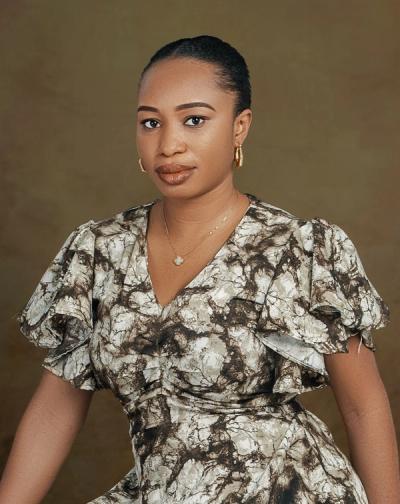
Iwinosa Oyakhire serves as the Outreach Coordinator and Project Researcher for Digital Benin, specializing in iconography. She connects diverse communities with digital initiatives and content through innovative outreach strategies and collaborative engagement. Iwinosa has developed a comprehensive digital and in-person communication strategy set for implementation in 2025-2026. In collaboration with Eiloghosa Obobaifo, she conducts research on recording oral traditions and local knowledge related to the iconography of historical objects in Benin City and the Edo-speaking region, contributing to the creation of an iconography tool. Her efforts ensure that Edo voices shape Digital Benin, enhancing digital accessibility both locally and internationally.
Iwinosa Oyakhire is a cultural practitioner committed to designing impactful programming focused on Nigerian and African cultures. Through cultural research, program design, and community engagement, she aims to make African heritage accessible and relevant to contemporary audiences. With nearly a decade of experience in various roles, Iwinosa has made a notable impact on the Nigerian creative and cultural landscape. At the Museum of West African Art (MOWAA), she was instrumental in shaping the institution’s early growth in Benin City, facilitating key stakeholder relationships with government bodies and traditional arts councils to bring the museum’s vision to life. She later played a pivotal role in developing and implementing outreach and educational programs.
Iwinosa has contributed to several high-impact heritage projects, engaging over 500 students across Edo State and numerous young heritage professionals across Nigeria. These projects include the “Heritage Futures” program, which provided hands-on learning to over 100 students, and the UNEARTH Fellowship, a cross-disciplinary initiative offering practical experience in archaeology and heritage management for early-career professionals. She also contributed to the Horniman Redisplay Project, helping to reinterpret and reimagine Benin artifacts, and co-designed programming around the digitization and research of the Benin Plaques, showcasing their rich history and cultural significance to contemporary audiences. In all these initiatives, Iwinosa ensured that each project was culturally relevant and impactful, fostering deeper connections between communities and their heritage.
Looking ahead, Iwinosa plans to continue advancing cultural programming by creating projects that actively engage communities and celebrate their heritage. Her vision includes expanding the use of digital tools, storytelling, and immersive experiences to make cultural narratives accessible to wider audiences. She remains dedicated to empowering communities to reclaim and celebrate their cultural legacies, ensuring these stories endure for generations to come.
Digital Benin collates digital material from institutions, and some of this material is inherently colonial and contains words, terms and phrases that are inaccurate, derogatory and harmful towards African and African diasporic communities. Catalogue transcriptions, book titles, exhibition titles and museum titles may contain harmful terms. We recognise the potential for the material to cause physical and mental distress as well as evoke strong emotions. Owing to the scale of the collection’s data, a process to implement sensitive-content warnings in the displayed data is still incomplete. The material within the catalogue does not represent Digital Benin’s views. Digital Benin maintains a strong anti-colonial, anti-racist position and affirms its support for centring the humanity of historically marginalised and disenfranchised communities. Read more about the background of this statement here