Ikpigho
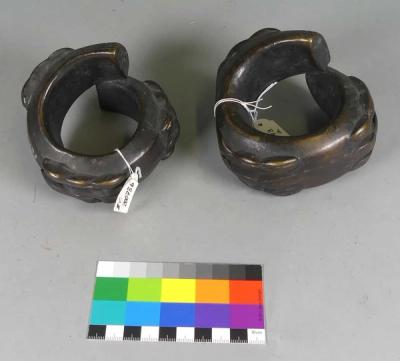
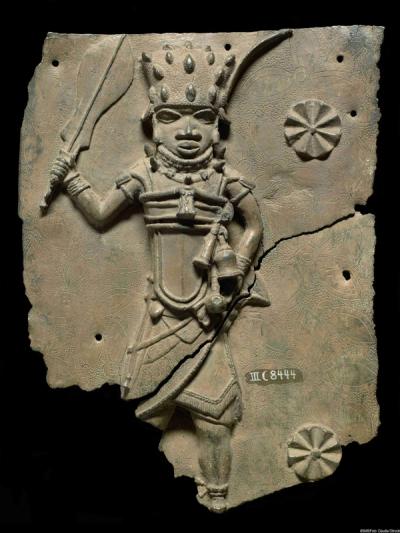
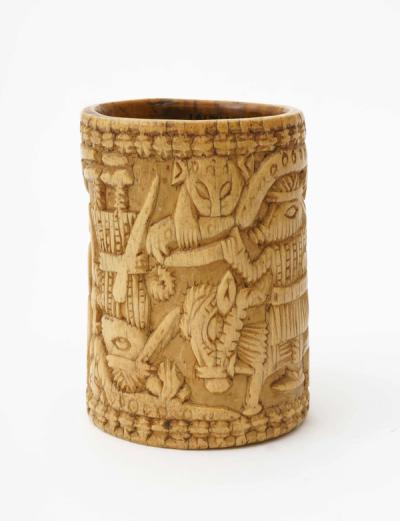
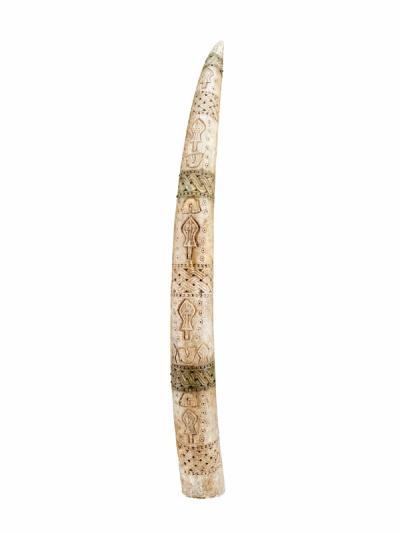
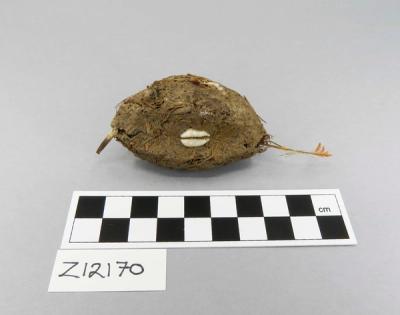
Historically, Ikpigho (cowries) were used as a form of currency, and they continue to carry associations with wealth and prosperity. Further strengthening the association between Ikpigho and wealth is the fact that cowries were among the goods imported by European merchants to the kingdom from the 15th century until the 19th century, from as far afield as the Maldives in the Indian Ocean. Together with motifs such as Portuguese heads, cowries became associated with wealth brought from overseas and, therefore, are also associated with Olokun, god of the sea. The white colour of Ikpigho further associates them with Olokun, as well as with joy (Nevadomsky 2007, p. 498).
Digital Benin collates digital material from institutions, and some of this material is inherently colonial and contains words, terms and phrases that are inaccurate, derogatory and harmful towards African and African diasporic communities. Catalogue transcriptions, book titles, exhibition titles and museum titles may contain harmful terms. We recognise the potential for the material to cause physical and mental distress as well as evoke strong emotions. Owing to the scale of the collection’s data, a process to implement sensitive-content warnings in the displayed data is still incomplete. The material within the catalogue does not represent Digital Benin’s views. Digital Benin maintains a strong anti-colonial, anti-racist position and affirms its support for centring the humanity of historically marginalised and disenfranchised communities. Read more about the background of this statement here