Pot

Akhẹ

Clay pot
Description
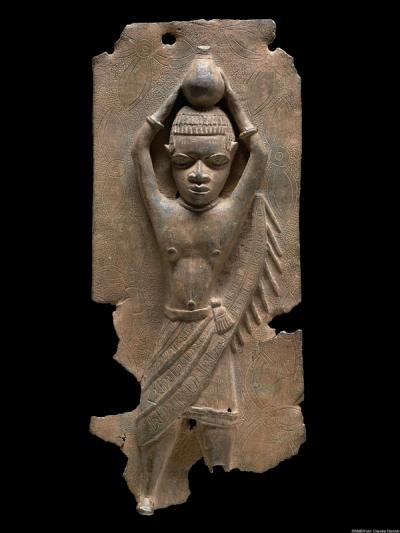
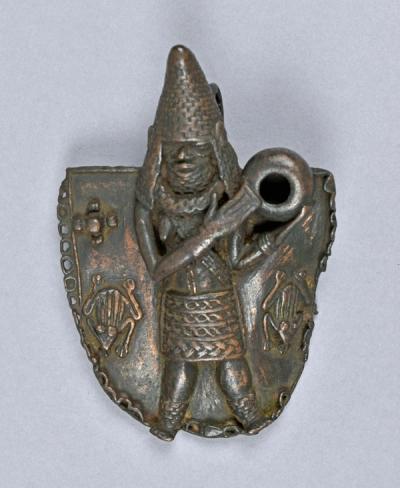
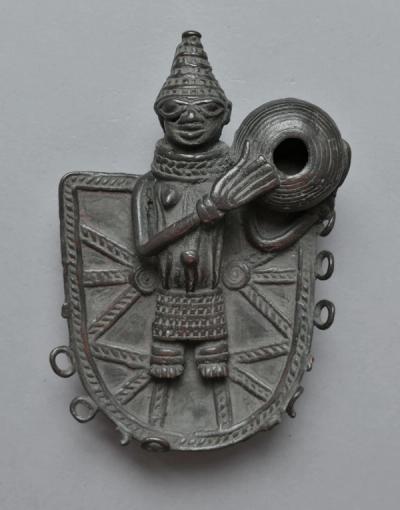
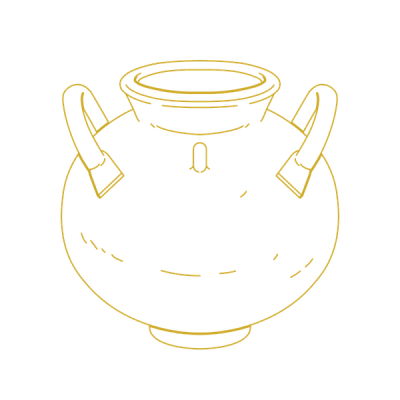
Akhẹ (clay pots) are made by the Imakhe (guild of potters). Pots were used for a variety of purposes, including everyday storage of water in simple, undecorated or minimally decorated vessels, while others served ritual purposes. Akhẹ Osun, for example, are often highly decorated with animal motifs such as lizards, frogs, and snakes, all of which are associated with the deity Osun. Rounded Akhẹ with open tops are depicted on both the Ama-Ẹrọnmwọn (bronze relief plaques) and pendant plaques. They are usually shown being carried either on the heads of figures or propped on their left shoulders.

Objects with Akhẹ

3 objects
See all
Relief Plaque
Institution
Omo n'Oba n'Edo Uku Akpolokpolo, Ọba of Benin & National Commission for Museums and Monuments, Nigeria
ID
211797
Edo designations
Ama-Ẹrọnmwọn
Restituted
Pendant Plaque
Institution
British Museum
Registration number
Af1934,1025.1
Edo designations
-
Pendant Plaque
Institution
British Museum
Registration number
Af1954,23.788
Edo designations
-

Objects with Akhẹ

3
Relief Plaque
Institution
Omo n'Oba n'Edo Uku Akpolokpolo, Ọba of Benin & National Commission for Museums and Monuments, Nigeria
ID
211797
Edo designations
Ama-Ẹrọnmwọn
Restituted
Pendant Plaque
Institution
British Museum
Registration number
Af1934,1025.1
Edo designations
-
Pendant Plaque
Institution
British Museum
Registration number
Af1954,23.788
Edo designations
-
Sensitive content

Sensitive Content Digital Benin includes colonial material that may contain inaccurate, derogatory or harmful language relating to African and African diasporic communities. Such language may appear in catalogue records, transcriptions, and book, exhibition or museum titles. We recognize that this material may cause distress. Sensitive-content warnings are being implemented across the collection, but this process is ongoing. The language does not reflect Digital Benin’s views; we take an anti-colonial and anti-racist position and are committed to centring the humanity of historically marginalised communities.

Read more about our approach