Loading...

IMDAS ID
4AB5D6B406BD4BE9ADE24E349459BF06
Institution
Städtische Museen Freiburg Edo designations

English designations
Categories
Institution Location
Gerberau 32, 79098 Freiburg im Breisgau, Germany
IMDAS ID
4AB5D6B406BD4BE9ADE24E349459BF06
Institution
Städtische Museen Freiburg Edo designations
English designations
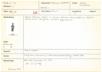
Male Figure
Categories
Figures
Institution Location
Gerberau 32, 79098 Freiburg im Breisgau, Germany
Iconographies
2
annotations

Ikharo
Forehead markings
1 annotation


Iwu
Facial and Body Markings
1 annotation

Provenance
4
events
Institution data
Städtische Museen Freiburg
The data was transferred directly by the institution.
Last updated: 2021-05-21
Languages: english, german, french
| Institution field | Value |
|---|---|
IMDAS ID object id | 4AB5D6B406BD4BE9ADE24E349459BF06 |
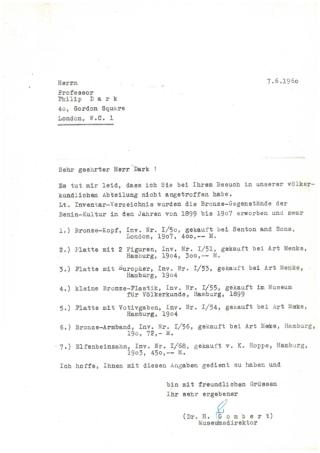
Inventarnummer object id | I/0055 |
Indigene Bezeichnung (Museumsobjekt) edo designation | |
Titel (Museumsobjekt) designation object type | Statuette |
Titel engl. designation object type | Small statue |
Titel franz. designation object type | Statuette |
Text kurz Online-Sammlung dt. description | Kleine Bronze-Figur, die in beiden Händen etwas hält. Auf der Brust befindet sich ein länglich, runder Gegenstand. |
Text kurz Online-Sammlung engl. description | |
Text kurz Online-Sammlung franz. description | |
Text lang Online-Sammlung dt. description | |
Text lang Online-Sammlung engl. description | |
Text lang Online-Sammlung franz. description | |
Trägermaterial material | Bronze |
Maße zum Objekt dimensions | Höhe: 170,00 mm |
Objektbezeichnung object type | Figur |
Objektbezeichnung engl. object type | Figure |
Objektbezeichnung franz. object type | Figure |
Datierung date made | 1870er Jahre; 1880er Jahre; 1890er Jahre; 1. Jahrzehnt 20. Jh. |
Datierung bis date made | 31.12.1899 |
Datierung von date made | 01.01.1870 |
Entstehungszeit date made | 1870 - 1899 |
Technik production technique | |
Fundort/Herkunft production place | Benin <Königreich>; Nigeria; Westafrika |
Sammler/in öffentlich prior source | Museum für Völkerkunde Hamburg |
Voreigentümer prior source | Museum für Völkerkunde Hamburg |
Objektgeschichte provenance | Ausstellungsbereich |
Ethnie ethnic attribution | Edo |
Institution department and institution | Ethnologische Sammlung MNM |
Eingangsdatum accession date | Herbst 1899 |
Eingangsart accession method | Kauf |
Digitaler Katalog Standort display status | Nicht ausgestellt |
Nutzungsrechte (Medienobjekt) license | CC BY-NC-SA 4.0 |
URL-Digitalisat weblink | https://onlinesammlung.freiburg.de/de/object/4AB5D6B406BD4BE9ADE24E349459BF06 |
Fotograf (Medienobjekt) | Killian, Axel |
Sammlung | Afrika |
Schlagworte | Ethnologie (außereuropäische); Benin-Bronze |
Sections
About
Other
Sensitive content
Sensitive Content Digital Benin includes colonial material that may contain inaccurate, derogatory or harmful language relating to African and African diasporic communities. Such language may appear in catalogue records, transcriptions, and book, exhibition or museum titles. We recognize that this material may cause distress. Sensitive-content warnings are being implemented across the collection, but this process is ongoing. The language does not reflect Digital Benin’s views; we take an anti-colonial and anti-racist position and are committed to centring the humanity of historically marginalised communities.