Loading...


Reg No.
44528
Institution
Omo n'Oba n'Edo Uku Akpolokpolo, Ọba of Benin & National Commission for Museums and Monuments, Nigeria Restituted
Previously owned by Rautenstrauch-Joest-Museum
Edo designations

English designations
Categories
Institution Location
1 Adesogbe (Plymouth) Road, P.M.B. 1115, Benin City , Edo State
Reg No.
44528
Institution
Omo n'Oba n'Edo Uku Akpolokpolo, Ọba of Benin & National Commission for Museums and Monuments, Nigeria Restituted
Previously owned by Rautenstrauch-Joest-Museum
Edo designations
English designations
Carved Coconut Vessel
Categories
Altar & Shrine Objects
Containers
Institution Location
1 Adesogbe (Plymouth) Road, P.M.B. 1115, Benin City , Edo State
Iconographies
3
annotations

Odigba
Coral beaded collar
1 annotation


Ukpan obọ eva
Crossed Beaded Baldrics
1 annotation

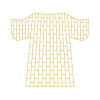
Ewu ivie
Coral Beaded Shirt
1 annotation

Provenance
5
events
Institution data
Rautenstrauch-Joest-Museum
The data was transferred directly by the institution.
Last updated: 2022-07-27
Language: english
| Institution field | Value |
|---|---|
Additional Ids object id | 194905 |
Additional Ids / bundle object id | RJM 1949/05 |
Other numbers object id | |
Reg No. object id | 44528 |
Reg. No / Inventory number object id | RJM 44528 |
Object name designation object type | bowl |
Object name / Title designation | Coconut Bowl |
materials material | coconut shell |
Dimension/s dimensions | H.5.80cm W.13.40cm X. 10.40cm |
previous owner/collector prior source | Eduard von der Heydt |
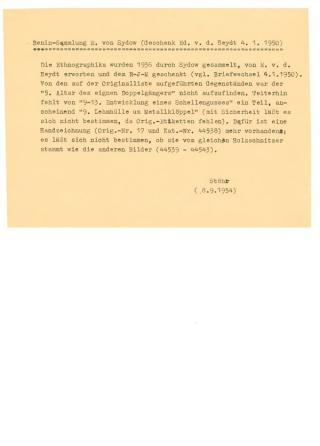
provenance provenance | until 04.01.1950, Eduard von der Heydt (1882-1964); from 04.01.1950, Rautenstrauch-Joest Museum (donation); probably 1936 - 1937, Eckart von Sydow |
Institution department and institution | Rautenstrauch-Joest Museum - Cultures of the World, Cologne |
Institution acquisition date accession date | 1/4/50 |
Acquisition details accession method | donation |
comments notes | Between June 1935 and December 1937, according to the list in the convoluted file, 366 objects by Freiherr von der Heydt were given as loan to the Rautenstrauch-Joest Museum. |
Copyright license | © Museumsgesellschaft RJM Köln, Foto Uli Grohs |
notes concerning "other numbers" |
Sections
About
Other
Sensitive content
Sensitive Content Digital Benin includes colonial material that may contain inaccurate, derogatory or harmful language relating to African and African diasporic communities. Such language may appear in catalogue records, transcriptions, and book, exhibition or museum titles. We recognize that this material may cause distress. Sensitive-content warnings are being implemented across the collection, but this process is ongoing. The language does not reflect Digital Benin’s views; we take an anti-colonial and anti-racist position and are committed to centring the humanity of historically marginalised communities.