Loading...




recordNumber
1321056
Institution
Field Museum Edo designations

English designations
Categories
Institution Location
1400 S Lake Shore Dr, Chicago, IL 60605, United States
recordNumber
1321056
Institution
Field Museum Edo designations
English designations
Altar Tableau
Fragment
Categories
Altar & Shrine Objects
Figures
Institution Location
1400 S Lake Shore Dr, Chicago, IL 60605, United States
Iconographies
4
annotations

Ubanu'hi
Inifinity Symbol
1 annotation


Ẹroro
Bell
1 annotation


Ẹrhu
Headwear
1 annotation


Akọn Ẹkpen
Leopard Teeth Neck Ornament
1 annotation

Provenance
4
events
Institution data
Field Museum
The data was transferred directly by the institution.
Last updated: 2022-01-21
Language: english
| Institution field | Value |
|---|---|
catalogNumber object id | 89787 |
occurrenceID object id | 4ed1173e-b87a-4c01-9d75-c64d50750a39 |
recordNumber object id | 1321056 |
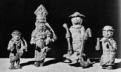
culturalArtefactDescription/1/Full_Description description | figure from stand; bronze casting of figurine of native ; solid; wears mitre-shaped headdress; broad collar about neck; mace in left hand; right hand missing; short, ornamented skirt; feet missing; Dimensions; H = 20.5 cm; 8 1/8" |
culturalArtefactDescription/1/null description | |
culturalArtefactDescription/3/Full_Description description | |
culturalArtefactDescription/3/Sub_Description description | |
culturalArtefactDescription/4/null description | |
materials material | metal; bronze |
culturalArtefactDescription/0/Basic_Description object type | figure |
culturalArtefactFunction object type | |
culturalArtefactParts object type | |
period date made | |
culturalArtefactDescription/3/Technical_Description production technique | |
culturalArtefactDescription/4/Technical_Description production technique | |
locality production place | Benin City |
Accession info prior source | [976] W. D. Webster (Purchase) |
culturalAffiliation ethnic attribution | Edo |
dates/accession_year accession date | 1905 |
identifiers/Publication_number/0 bibliography | 98 |
identifiers/Publication_number/1 bibliography | XX |
identifiers/Publication_number/2 bibliography | |
references/reference bibliography | |
multimedia/0/citation license | Courtesy of: C. J. Philipp. (c) Field Museum of Natural History. CC BY-NC 4.0. https://mm.fieldmuseum.org/662a7295-c9d4-4c80-a5d5-1dea5bb6b06e (accessed on 11 Oct 2021) |
multimedia/1/citation license | (c) Field Museum of Natural History. CC BY-NC 4.0. https://mm.fieldmuseum.org/63af3613-9b10-4dd0-9853-c1171ded77ba (accessed on 11 Oct 2021) |
multimedia/10/citation license | |
multimedia/11/citation license | |
multimedia/12/citation license | |
multimedia/13/citation license | |
multimedia/14/citation license | |
multimedia/15/citation license | |
multimedia/16/citation license | |
multimedia/17/citation license | |
multimedia/18/citation license | |
multimedia/19/citation license | |
multimedia/2/citation license | (c) Field Museum of Natural History. CC BY-NC 4.0. https://mm.fieldmuseum.org/cf0fab95-d7af-41a9-bacd-c14cb3ee182b (accessed on 12 Oct 2021) |
multimedia/20/citation license | |
multimedia/21/citation license | |
multimedia/22/citation license | |
multimedia/23/citation license | |
multimedia/24/citation license | |
multimedia/25/citation license | |
multimedia/26/citation license | |
multimedia/27/citation license | |
multimedia/28/citation license | |
multimedia/29/citation license | |
multimedia/3/citation license | Courtesy of: J. Balodimas. (c) Field Museum of Natural History. CC BY-NC 4.0. https://mm.fieldmuseum.org/a7cc2381-f49b-48ec-9914-856221b527ec (accessed on 24 Oct 2021) |
multimedia/30/citation license | |
multimedia/31/citation license | |
multimedia/32/citation license | |
multimedia/33/citation license | |
multimedia/34/citation license | |
multimedia/4/citation license | Courtesy of: R. Testa. (c) Field Museum of Natural History. https://mm.fieldmuseum.org/8cbdc116-51a7-41a4-a8a2-b915f71502de (accessed on 29 Oct 2021) |
multimedia/5/citation license | Courtesy of: R. Gross, C. J. Philipp, J. W. Kennedy. (c) Field Museum of Natural History. CC BY-NC 4.0. https://mm.fieldmuseum.org/6119dd74-2e0d-40c7-be41-709bd6498084 (accessed on 13 Jan 2022) |
multimedia/6/citation license | |
multimedia/7/citation license | |
multimedia/8/citation license | |
multimedia/9/citation license | |
Multimedia URLs images | A99435_89787_Edit.jpg; A99435.jpg; A99508.jpg; A105143_89789c.jpg; GN83908_10.jpg; 89787CC.jpg |
identifiers/Image_number/0 images | 99435 |
identifiers/Image_number/1 images | 99508 |
identifiers/Image_number/10 images | |
identifiers/Image_number/11 images | |
identifiers/Image_number/2 images | 105143 |
identifiers/Image_number/3 images | GN83908_10 |
identifiers/Image_number/4 images | |
identifiers/Image_number/5 images | |
identifiers/Image_number/6 images | |
identifiers/Image_number/7 images | |
identifiers/Image_number/8 images | |
identifiers/Image_number/9 images | |
multimedia/0/MulIdentifier/0 images | A99435_89787_Edit.jpg |
multimedia/0/accessURI images | http://fm-digital-assets.fieldmuseum.org/2243/334/A99435_89787_Edit.jpg |
multimedia/0/identifier images | 662a7295-c9d4-4c80-a5d5-1dea5bb6b06e |
multimedia/1/MulIdentifier/0 images | A99435.jpg |
multimedia/1/accessURI images | http://fm-digital-assets.fieldmuseum.org/101/603/A99435.jpg |
multimedia/1/identifier images | 63af3613-9b10-4dd0-9853-c1171ded77ba |
multimedia/10/MulIdentifier/0 images | |
multimedia/10/accessURI images | |
multimedia/10/identifier images | |
multimedia/11/MulIdentifier/0 images | |
multimedia/11/accessURI images | |
multimedia/11/identifier images | |
multimedia/12/MulIdentifier/0 images | |
multimedia/12/accessURI images | |
multimedia/12/identifier images | |
multimedia/13/MulIdentifier/0 images | |
multimedia/13/accessURI images | |
multimedia/13/identifier images | |
multimedia/14/MulIdentifier/0 images | |
multimedia/14/accessURI images | |
multimedia/14/identifier images | |
multimedia/15/MulIdentifier/0 images | |
multimedia/15/accessURI images | |
multimedia/15/identifier images | |
multimedia/16/MulIdentifier/0 images | |
multimedia/16/accessURI images | |
multimedia/16/identifier images | |
multimedia/17/MulIdentifier/0 images | |
multimedia/17/accessURI images | |
multimedia/17/identifier images | |
multimedia/18/MulIdentifier/0 images | |
multimedia/18/accessURI images | |
multimedia/18/identifier images | |
multimedia/19/MulIdentifier/0 images | |
multimedia/19/accessURI images | |
multimedia/19/identifier images | |
multimedia/2/MulIdentifier/0 images | A99508.jpg |
multimedia/2/accessURI images | http://fm-digital-assets.fieldmuseum.org/100/941/A99508.jpg |
multimedia/2/identifier images | cf0fab95-d7af-41a9-bacd-c14cb3ee182b |
multimedia/20/MulIdentifier/0 images | |
multimedia/20/MulIdentifier/1 images | |
multimedia/20/accessURI images | |
multimedia/20/identifier images | |
multimedia/21/MulIdentifier/0 images | |
multimedia/21/accessURI images | |
multimedia/21/identifier images | |
multimedia/22/MulIdentifier/0 images | |
multimedia/22/accessURI images | |
multimedia/22/identifier images | |
multimedia/23/MulIdentifier/0 images | |
multimedia/23/accessURI images | |
multimedia/23/identifier images | |
multimedia/24/MulIdentifier/0 images | |
multimedia/24/accessURI images | |
multimedia/24/identifier images | |
multimedia/25/MulIdentifier/0 images | |
multimedia/25/accessURI images | |
multimedia/25/identifier images | |
multimedia/26/MulIdentifier/0 images | |
multimedia/26/accessURI images | |
multimedia/26/identifier images | |
multimedia/27/MulIdentifier/0 images | |
multimedia/27/accessURI images | |
multimedia/27/identifier images | |
multimedia/28/MulIdentifier/0 images | |
multimedia/28/accessURI images | |
multimedia/28/identifier images | |
multimedia/29/MulIdentifier/0 images | |
multimedia/29/accessURI images | |
multimedia/29/identifier images | |
multimedia/3/MulIdentifier/0 images | A105143_89789c.jpg |
multimedia/3/accessURI images | http://fm-digital-assets.fieldmuseum.org/66/663/A105143_89789c.jpg |
multimedia/3/identifier images | a7cc2381-f49b-48ec-9914-856221b527ec |
multimedia/30/MulIdentifier/0 images | |
multimedia/30/accessURI images | |
multimedia/30/identifier images | |
multimedia/31/MulIdentifier/0 images | |
multimedia/31/accessURI images | |
multimedia/31/identifier images | |
multimedia/32/MulIdentifier/0 images | |
multimedia/32/accessURI images | |
multimedia/32/identifier images | |
multimedia/33/MulIdentifier/0 images | |
multimedia/33/accessURI images | |
multimedia/33/identifier images | |
multimedia/34/MulIdentifier/0 images | |
multimedia/34/accessURI images | |
multimedia/34/identifier images | |
multimedia/4/MulIdentifier/0 images | GN83908_10.jpg |
multimedia/4/accessURI images | http://fm-digital-assets.fieldmuseum.org/2230/040/GN83908_10.jpg |
multimedia/4/identifier images | 8cbdc116-51a7-41a4-a8a2-b915f71502de |
multimedia/5/MulIdentifier/0 images | 89787CC.pdf |
multimedia/5/accessURI images | http://fm-digital-assets.fieldmuseum.org/348/051/89787CC.pdf |
multimedia/5/identifier images | 6119dd74-2e0d-40c7-be41-709bd6498084 |
multimedia/6/MulIdentifier/0 images | |
multimedia/6/accessURI images | |
multimedia/6/identifier images | |
multimedia/7/MulIdentifier/0 images | |
multimedia/7/accessURI images | |
multimedia/7/identifier images | |
multimedia/8/MulIdentifier/0 images | |
multimedia/8/accessURI images | |
multimedia/8/identifier images | |
multimedia/9/MulIdentifier/0 images | |
multimedia/9/accessURI images | |
multimedia/9/identifier images | |
identifiers/Collector_number/0 | 10815 |
identifiers/Collector_number/1 | |
identifiers/Collector_number_number | |
identifiers/Donor_number/0 | |
identifiers/Donor_number/1 | |
identifiers/Fieldwork_number | |
identifiers/Inventory_number/0 | |
identifiers/Inventory_number/1 | |
identifiers/Other_museum_X27_s_number | |
identifiers/Other_number/0 | |
identifiers/Other_number/1 | |
identifiers/Tracking_number/0 | |
identifiers/Tracking_number/1 | |
identifiers/Tracking_number/2 | |
identifiers/Tracking_number/3 | |
identifiers/Tracking_number/4 | |
identifiers/Tracking_number/5 | |
identifiers/Tracking_number/6 | |
identifiers/accession_number object id | 976 |
identifiers/null | |
identifiers/objectID object id | 89787.nosub[1] |
locationID | 400853 |
recordedBy | |
references/referenceID | |
resourcerelationship/1/relatedResourceID | |
resourcerelationship/2/relatedResourceID | |
resourcerelationship/2/relationshipRemarks | |
resourcerelationship/3/relatedResourceID | |
resourcerelationship/3/relationshipRemarks | |
resourcerelationship/4/relatedResourceID | |
resourcerelationship/4/relationshipRemarks | |
resourcerelationship/5/relatedResourceID | |
resourcerelationship/5/relationshipRemarks | |
resourcerelationship/6/relatedResourceID | |
resourcerelationship/6/relationshipRemarks |
Sections
About
Other
Sensitive content
Sensitive Content Digital Benin includes colonial material that may contain inaccurate, derogatory or harmful language relating to African and African diasporic communities. Such language may appear in catalogue records, transcriptions, and book, exhibition or museum titles. We recognize that this material may cause distress. Sensitive-content warnings are being implemented across the collection, but this process is ongoing. The language does not reflect Digital Benin’s views; we take an anti-colonial and anti-racist position and are committed to centring the humanity of historically marginalised communities.