
Iconographies






Provenance
Institution data
| Institution field | Value |
|---|---|
ID object id | 210665 |
Sachbegriff designation | Sachbegriff: Königlicher Gedenkaltar; Sachbegriff: Elefantenstoßzahn (reliefiert); Sachbegriff: Elefantenstoßzahn |
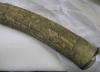
Titel designation | Titel: Reliefierter Elefantenstoßzahn von einem königlichen Gedenkaltar |
Objektref. description | E 132/1898, Erwerbung: a.) I/49/1898 b.) I/55/1898 + c.) I/129/1898: a.) III C 7638-7670, Ethnogr. (Zähne, Bronzen etc.) (Benin), [Ankauf] Hale & Son + b.) III C 7761, Abguss eines Elephantenzahns (Benin), Original im Besitz von Dr. H. Meyer in Leipzig + c.) VIII 6094 a-c - 6099, Photogr. (BNenin), bei Hale&Son angefertigt, 1898, Hale & Son (1887) |
Texte Online description | Online Beschreibung, Mit dem Abhängen und Einlagern der Reliefplatten am Ende des 17. Jahrhunderts verschwand aber nicht ihr Bildprogramm: Viele Motive der Platten finden sich im 18. Jahrhundert an den beschnitzten Elefantenzähnen, die an den Altären auf den neuen, größeren Gedenkköpfen, die als ihre Basis dienten, aufgestellt wurden. Im Gegensatz zu den Reliefplatten nehmen die Darstellungen der Kriegerkönige, vor allem Esigies, einen breiten Raum in den Elfenbeinschnitzereien ein. Dienten die Reliefplatten der Darstellung des Kosmos von Benin, so stehen die Darstellungen der Kriegerkönige auf den Elefantenzähnen für die Legitimation des wiedererstarkten Königtums des 18. Jahrhunderts, das sich in seiner politischen Macht, aber auch in seinen künstlerischen Äußerungen auf die mächtigen Könige des 16. Jahrhunderts bezieht. Gleichzeitig findet man auf den beschnitzten Zähnen eine Reihe neuer Motive, die sich auf König Esigie oder die seit dem 18. Jahrhundert in den Vordergrund gestellte spirituelle Macht des Königs beziehen. [Benin_Königreich] |
Material / Technik material | Material: Elfenbein; Technik: beschnitzt; Ausgabe: Elfenbein, reliefiert |
Material / Technik // Alle material | Elfenbein, reliefiert, Elfenbein, beschnitzt |
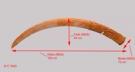
Maße dimensions | 180,00 x 15,00 x 45,00 cm (inkl. Krümmung); 201,00 cm; 45,00 cm (unterer); 175,00 cm; 25,60 kg |
Objekttyp object type | Allgemein |
Sachbegr. Ausgabe object type | Elefantenstoßzahn (Ivory tusk) |
Anzahl Teile object count | 1 |
Datierung date made | 18. Jh. |
Geogr. Bezüge production place | Nigeria ( Land ); Benin ( Königreich ) |
Geogr. Bezüge // Alle production place | Nigeria, Benin |
Beteiligte prior source | Hale & Son (1887), Veräußerer |
Beteiligte // (Name, Sortierung=kleinste) prior source | Hale & Son |
Veräußerer prior source | null |
Erwerb. Notiz provenance | Erwerbung von: Hale & Son; Notiz: Rückführung Leipzig; Ausgabe: Königlicher Auftrag an die Gilde der Elfenbeinschnitzer im Benin-Königreich im 18. Jh. vermutlich als Teil eines königlichen Gedenkaltars; durch Vererbung an Oba Ovonramwen (ca. 1857-1914; reg. 1888-97), Königspalast, Benin-Stadt; geplündert im Zusammenhang mit der britischen Eroberung von Benin, 1897; versteigert von der Firma Hale & Son, 1897; ersteigert vom Königlichen Museum für Völkerkunde, 1897. |
Verw. Institution department and institution | Ethnologisches Museum, Staatliche Museen zu Berlin |
Erwerb. Datum accession date | 1898 |
Besitzart accession method | Eigentum |
Erwerbungsart accession method | Ankauf |
Digital Assets images | Vorlage; Vorlage; Vorlage; Vorlage; Vorlage; Vorlage; Vorlage; Vorlage; Vorlage; Vorlage; Vorlage; Vorlage; Vorlage; Vorlage; Vorlage; Vorlage; Vorlage; III C 7640.JPG, Repro Digitalisat; III C 7640 Maße.jpg, Repro Digitalisat |
Erwerb. Nr. | I/49/1898 |
Ident. Nr. | III C 7640 |
Ident. Nr. // (Sortiernr.) | 0003 C 07640 |
Obj. Status | vorhanden |
| Institution field | Value |
|---|---|
id_in_md_subset object id | 19674 |
object_inventory_number object id | III C 7640 |
object_name designation | Reliefierter Elefantenstoßzahn von einem königlichen Gedenkaltar |
object_description description | Mit dem Abhängen und Einlagern der Reliefplatten am Ende des 17. Jahrhunderts verschwand aber nicht ihr Bildprogramm: Viele Motive der Platten finden sich im 18. Jahrhundert an den beschnitzten Elefantenzähnen, die an den Altären auf den neuen, größeren Gedenkköpfen, die als ihre Basis dienten, aufgestellt wurden. Im Gegensatz zu den Reliefplatten nehmen die Darstellungen der Kriegerkönige, vor allem Esigies, einen breiten Raum in den Elfenbeinschnitzereien ein. Dienten die Reliefplatten der Darstellung des Kosmos von Benin, so stehen die Darstellungen der Kriegerkönige auf den Elefantenzähnen für die Legitimation des wiedererstarkten Königtums des 18. Jahrhunderts, das sich in seiner politischen Macht, aber auch in seinen künstlerischen Äußerungen auf die mächtigen Könige des 16. Jahrhunderts bezieht. Gleichzeitig findet man auf den beschnitzten Zähnen eine Reihe neuer Motive, die sich auf König Esigie oder die seit dem 18. Jahrhundert in den Vordergrund gestellte spirituelle Macht des Königs beziehen. |
object_material_technique material production technique | Elfenbein, reliefiert |
object_dimensions dimensions | Höhe x Breite x Tiefe: 180 x 15 x 45 cm (inkl. Krümmung); Länge: 201 cm; Umfang: 45 cm (unterer); Sehnenlänge: 175,00 cm; Gewicht: 25,6 kg |
object_type object type | Elefantenstoßzahn (Ivory tusk) |
object_events/0/time/time_end date made | 1800 |
object_events/0/time/time_name date made date made | 18. Jahrhundert |
object_events/0/time/time_start date made date made | 1701 |
object_events/1/time/time_end date made | 1800 |
object_events/1/time/time_name date made | 18. Jahrhundert |
object_events/1/time/time_start date made | 1701 |
object_events/0/place/place_name production place | Nigeria |
object_events/0/place/place_note production place production place | "Nigeria [niˈgeːʁi̯a] (amtlich englisch Federal Republic of Nigeria [naɪ̯ˈdʒɪ(ə)ɹɪ̯ə] – Bundesrepublik Nigeria) ist ein Bundesstaat in Westafrika, der an den Atlantik und die Länder Benin, Niger, Tschad und Kamerun grenzt. Es ist mit über 200 Millionen Einwohnern (2018) mit Abstand das bevölkerungsreichste Land Afrikas und weltweit das Land mit der siebtgrößten Bevölkerung. Im Zeitraum von 1989 bis 2019 hat sich die Bevölkerungszahl des Landes verdoppelt. Nigerias Hauptstadt ist Abuja, seine mit Abstand größte Stadt ist Lagos mit rund 18 Millionen Einwohnern; weitere Millionenstädte sind Ibadan, Benin-Stadt, Kano, Port Harcourt und Kaduna." - (de.wikipedia.org 22.10.2019) |
object_events/1/place/place_latitude production place | 8.833333015441895 |
object_events/1/place/place_longitude production place | 2.183333396911621 |
object_events/1/place/place_name production place production place | Benin |
object_events/1/place/place_note production place production place | "Benin [beˈniːn] (französisch Bénin [beˈnɛ̃]) ist ein Staat in Westafrika. Er grenzt im Westen an Togo, im Norden an Burkina Faso und Niger, im Osten an Nigeria und im Süden an den Golf von Guinea, genauer die Bucht von Benin. Bis 1975 hieß das Land Dahomey. Die Bezeichnung steht in Tradition zum historischen Königreich Dahomey, das bis zur Eroberung durch die Franzosen Ende des 19. Jahrhunderts den südlichen Teil des modernen Staates und des Nachbarstaates Togo umfasste. Von 1975 bis 1990 hieß es Volksrepublik Benin." - (de.wikipedia.org 20.10.2019) |
object_events/2/people/displayname provenance | |
object_events/2/people/people_display_name provenance | |
object_events/2/people/people_name provenance | |
object_events/2/people/people_short_description provenance | |
object_institution/institution_name department and institution | Ethnologisches Museum |
licence/metadata_rights_holder legal status | Ethnologisches Museum |
licence/metadata_rights_status license license | CC BY-NC-SA |
object_images/creator license | Fotograf unbekannt |
object_images/owner license | Ethnologisches Museum, Staatliche Museen zu Berlin |
object_images/rights license | CC BY-NC-SA |
object_images/preview images | 200w_29230757188.jpg |
object_images/quell_id images | 675796 |
object_images/subset images | smb |
object_images/subset_id images | 23141 |
object_images/type images | image |
object_links/0/link_text weblink | http://www.smb-digital.de/eMuseumPlus?service=ExternalInterface&module=collection&objectId=210665 |
inst_subset_id | 11 |
langs | de |
md_subset | smb |
object_collection/collection_id | 3918 |
object_collection/collection_name | Afrika |
object_events/0/event_id | 1069196 |
object_events/0/event_people_certain | j |
object_events/0/event_place_certain | j |
object_events/0/event_time_certain | j |
object_events/0/event_type | 1 |
object_events/0/event_type_name | Hergestellt |
object_events/0/people/displayname | |
object_events/0/people/people_display_name | |
object_events/0/people/people_id | |
object_events/0/people/people_name | |
object_events/0/people/people_short_description | |
object_events/0/people_id | 0 |
object_events/0/place/place_geonames | 2328926 |
object_events/0/place/place_id | 5374 |
object_events/0/place/place_latitude | 9 |
object_events/0/place/place_longitude | 8 |
object_events/0/place/place_tgn | 1000182 |
object_events/0/place/place_zoom | 9 |
object_events/0/place_id | 5374 |
object_events/0/time_id | 68277 |
object_events/1/event_id | 1069197 |
object_events/1/event_people_certain | j |
object_events/1/event_place_certain | j |
object_events/1/event_time_certain | j |
object_events/1/event_type | 1 |
object_events/1/event_type_name | Hergestellt |
object_events/1/people/displayname | |
object_events/1/people/people_display_name | |
object_events/1/people/people_id | |
object_events/1/people/people_name | |
object_events/1/people/people_short_description | |
object_events/1/people_id | 0 |
object_events/1/place/place_geonames | 2395170 |
object_events/1/place/place_id | 13037 |
object_events/1/place/place_tgn | 1000160 |
object_events/1/place/place_zoom | 9 |
object_events/1/place_id | 13037 |
object_events/1/time_id | 68277 |
object_events/2/event_id | |
object_events/2/event_people_certain | |
object_events/2/event_place_certain | |
object_events/2/event_time_certain | |
object_events/2/event_type | |
object_events/2/event_type_name | |
object_events/2/people/people_id | |
object_events/2/people_id | |
object_events/2/place/place_id | |
object_events/2/place/place_latitude | |
object_events/2/place/place_longitude | |
object_events/2/place/place_name | |
object_events/2/place/place_zoom | |
object_events/2/place_id | |
object_events/2/time/time_end | |
object_events/2/time/time_name | |
object_events/2/time/time_start | |
object_events/2/time_id | |
object_events/3/event_id | |
object_events/3/event_people_certain | |
object_events/3/event_place_certain | |
object_events/3/event_time_certain | |
object_events/3/event_type | |
object_events/3/event_type_name | |
object_events/3/people/displayname | |
object_events/3/people/people_display_name | |
object_events/3/people/people_id | |
object_events/3/people/people_name | |
object_events/3/people/people_short_description | |
object_events/3/people_id | |
object_events/3/place_id | |
object_events/3/time_id | |
object_id | 490038 |
object_images/filename_loc | http://www.smb-digital.de/eMuseumPlus?service=ImageAsset&module=collection&objectId=210665&resolution=superImageResolution#5907 |
object_images/folder | resources/images/201806 |
object_images/intern | n |
object_images/is_main | j |
object_images/name | http://www.smb-digital.de/eMuseumPlus?service=ImageAsset&module=collection&objectId=210665&resolution=superImageResolution#5907 |
object_images/order | 0 |
object_institution/institution_id | 583 |
object_last_updated | 2021-01-30 03:09:44 |
object_links/0/link_added_on | 2018-06-29 23:07:57 |
object_links/0/link_display | Das Objekt bei SMB-digital |
object_links/1/link_added_on | |
object_links/1/link_display | |
object_links/1/link_text | |
object_tags/0/tag_id | |
object_tags/0/tag_name | |
object_tags/1/tag_id | |
object_tags/1/tag_name | |
objekt_socialmedia | 1 |
Digital Benin collates digital material from institutions, and some of this material is inherently colonial and contains words, terms and phrases that are inaccurate, derogatory and harmful towards African and African diasporic communities. Catalogue transcriptions, book titles, exhibition titles and museum titles may contain harmful terms. We recognise the potential for the material to cause physical and mental distress as well as evoke strong emotions. Owing to the scale of the collection’s data, a process to implement sensitive-content warnings in the displayed data is still incomplete. The material within the catalogue does not represent Digital Benin’s views. Digital Benin maintains a strong anti-colonial, anti-racist position and affirms its support for centring the humanity of historically marginalised and disenfranchised communities. Read more about the background of this statement here