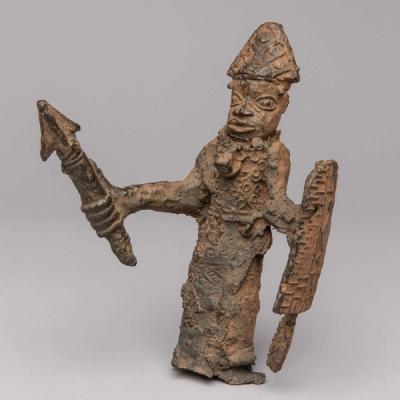
TBC_Warrior figure
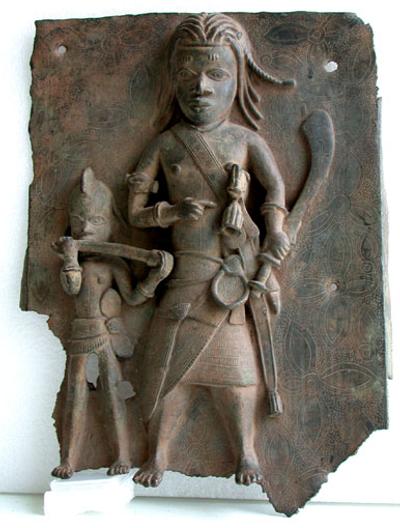
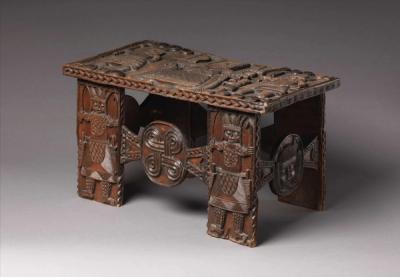
The frequency with which Benin warriors are depicted in Emwin Arhe (royal treasures) reflects the importance of the army and military to the Kingdom, as well as the role of royal art as an archive in which artists from the palace guilds recorded important people, events, and institutions. The army was organised into a number of regiments, with soldiers grouped according to the weapons they used, including archers, swordsmen, crossbowmen, and spearmen ( ).
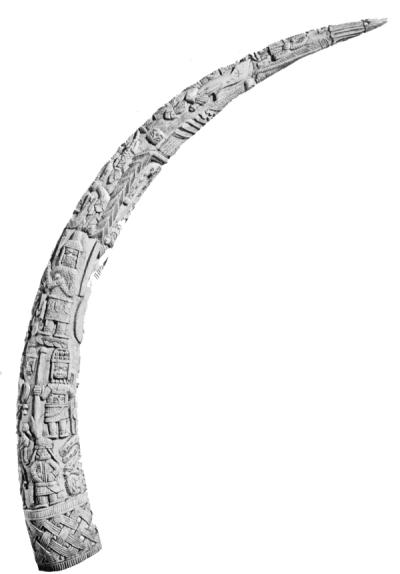
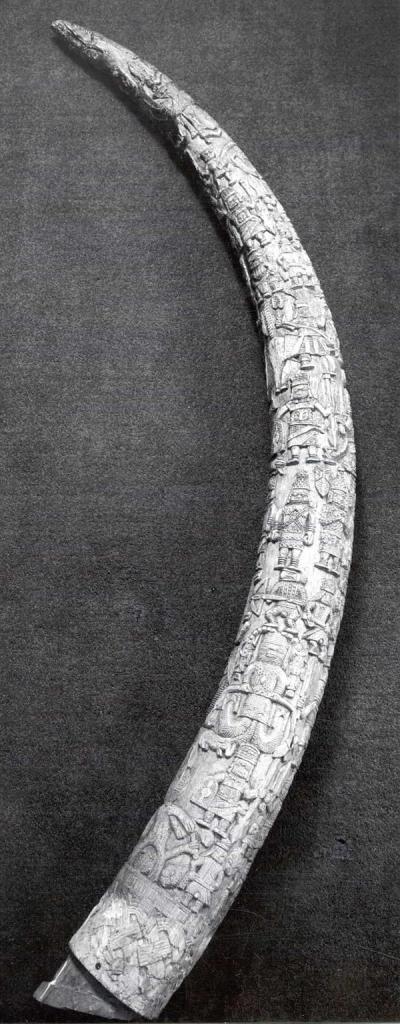
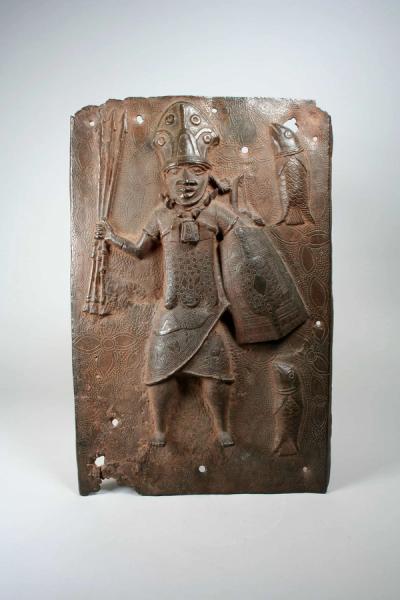
Warrior figures are frequently shown carrying weapons such as Asa (shields), Asoro (spears), warfare swords such as the Umozo or Ọhọ (executioners’ or warfare swords), Uhanbọ (bows), Ẹkpẹde (crossbows), and Ifẹnmwẹ (arrows), which were sometimes poisoned, as well as Osisi (firearms). Their dress also provides important indications of their military role. On both the Aken'ni Elao (carved tusks) and Ama-Ẹrọnmwọn (bronze relief plaques), warriors are depicted in a relatively standardised form, typically wearing an Ohian Ẹkpẹn (leopard tunic), Akọn Ẹkpen (leopard’s tooth neck ornament), an Ẹroro pendant around the neck, and the Uko ugbo-ohamwen (fortified chest band) ( ).
Differences are particularly apparent in the warriors’ headwear, both between individual figures and between representations on Aken'ni Elao and Ama-Ẹrọnmwọn. On the Ama - Eronmwon, the most common forms of headwear are crocodile-hide helmets and horsetail helmets with a front plate ( ). On the Aken'ni Elao, some warriors wear double-horned helmets ( ), while others wear simple rounded hats or helmets ( ). The most frequently represented warrior type on the tusks, however, wears a helmet with cowries sewn onto a front panel ( ).
Digital Benin collates digital material from institutions, and some of this material is inherently colonial and contains words, terms and phrases that are inaccurate, derogatory and harmful towards African and African diasporic communities. Catalogue transcriptions, book titles, exhibition titles and museum titles may contain harmful terms. We recognise the potential for the material to cause physical and mental distress as well as evoke strong emotions. Owing to the scale of the collection’s data, a process to implement sensitive-content warnings in the displayed data is still incomplete. The material within the catalogue does not represent Digital Benin’s views. Digital Benin maintains a strong anti-colonial, anti-racist position and affirms its support for centring the humanity of historically marginalised and disenfranchised communities. Read more about the background of this statement here