

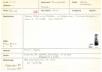
Iconographies



Provenance
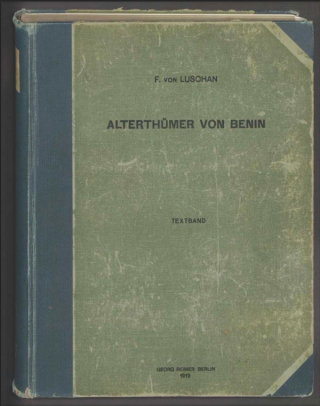
Institution data
| Institution field | Value |
|---|---|
IMDAS ID object id | FCFC2C2148284EFE84DD19335BA5991D |
Inventarnummer object id | I/0054 |
Indigene Bezeichnung (Museumsobjekt) edo designation | Ama |
Titel (Museumsobjekt) designation object type | Reliefplatte |
Titel engl. designation object type | Relief plate |
Titel franz. designation object type | Plaque de relief |
Text kurz Online-Sammlung dt. description | Die im Wachsausschmelzverfahren gefertigten Metallarbeiten des alten Königreichs Benin gehören zu den berühmtesten Kunstwerken aus Afrika. Die höfische Kunst diente der Repräsentation und der Verherrlichung des Königs, Oba. Die Reliefplatte mit Früchten, stellt unter anderem einen Rillenkürbis dar. Dieser gilt als Opfergabe für den Gott Osanobua. |
Text kurz Online-Sammlung engl. description | The lost-wax castings of the old Kingdom of Benin are some of the most famous artworks from Africa. Courtly art served the representation and glorification of the king, Oba. This relief plaque with fruit depicts a fluted gourd among other things. This is considered an offering to the god Osanobua. |
Text kurz Online-Sammlung franz. description | Les ouvrages en métal de l’ancien royaume du Bénin, réalisés grâce au procédé de la cire perdue, comptent parmi les plus célèbres œuvres d’art de l’Afrique. L’art de la cour était réservé à la représentation et à la glorification du roi Oba. Le relief figurant des fruits représente entre autres une courge cannelée. Cette plaque en bronze est considérée comme un don votif au dieu Osanobua. |
Text lang Online-Sammlung dt. description | |
Text lang Online-Sammlung engl. description | |
Text lang Online-Sammlung franz. description | |
Trägermaterial material | Bronze |
Maße zum Objekt dimensions | Breite: 160,00 mm; Höhe: 490,00 mm |
Objektbezeichnung object type | Relief |
Objektbezeichnung engl. object type | Relief |
Objektbezeichnung franz. object type | Relief |
Datierung date made | 16. Jahrhundert; 17. Jahrhundert |
Datierung bis date made | 31.12.1699 |
Datierung von date made | 01.01.1550 |
Entstehungszeit date made | 16. Jahrhundert; 17. Jahrhundert |
Technik production technique | Gelbguss |
Fundort/Herkunft production place | Benin <Königreich>; Nigeria; Westafrika |
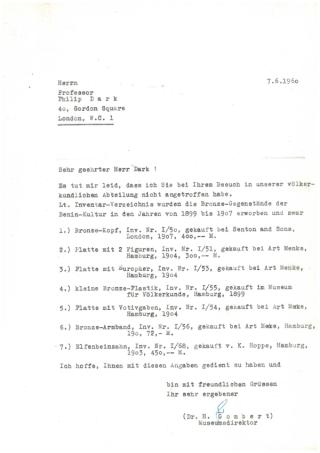
Sammler/in öffentlich prior source | Heemke, Bernhard Adolf |
Voreigentümer prior source | Heemke, Bernhard Adolf |
Objektgeschichte provenance | Ausstellungsbereich |
Ethnie ethnic attribution | Edo |
Institution department and institution | Ethnologische Sammlung MNM |
Eingangsdatum accession date | 13.10.1904 |
Eingangsart accession method | Kauf |
Digitaler Katalog Standort display status | Nicht ausgestellt |
Nutzungsrechte (Medienobjekt) license | CC BY-NC-SA 4.0 |
URL-Digitalisat weblink | https://onlinesammlung.freiburg.de/de/object/FCFC2C2148284EFE84DD19335BA5991D |
Fotograf (Medienobjekt) | Killian, Axel |
Sammlung | Afrika |
Schlagworte | Ethnologie (außereuropäische); Benin-Bronze |
Digital Benin collates digital material from institutions, and some of this material is inherently colonial and contains words, terms and phrases that are inaccurate, derogatory and harmful towards African and African diasporic communities. Catalogue transcriptions, book titles, exhibition titles and museum titles may contain harmful terms. We recognise the potential for the material to cause physical and mental distress as well as evoke strong emotions. Owing to the scale of the collection’s data, a process to implement sensitive-content warnings in the displayed data is still incomplete. The material within the catalogue does not represent Digital Benin’s views. Digital Benin maintains a strong anti-colonial, anti-racist position and affirms its support for centring the humanity of historically marginalised and disenfranchised communities. Read more about the background of this statement here