

Iconographies






Provenance
Institution data
| Institution field | Value |
|---|---|
IMDAS ID object id | BF5891F566284C9DB43E764C51460AF3 |
Inventarnummer object id | I/0050 |
Indigene Bezeichnung (Museumsobjekt) edo designation | Uhumwela |
Titel (Museumsobjekt) designation object type | Gedenkkopf |
Titel engl. designation object type | Memorial head |
Titel franz. designation object type | Tête commémorative |
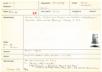
Text kurz Online-Sammlung dt. description | Gedenkkopf eines Königs des Königreichs Benin (etwa 900 n. Chr. bis Ende des 19. Jh.). Gedenkköpfe waren Teil der königlichen Ahnenaltäre. Die zwei flügelähnlichen Kopfaufsätze sind ein eindeutiges Datierungsmerkmal für die Köpfe des 19. Jahrhunderts. Sie stellen zwei aufgesteckte Federn dar als Zeichen für hohes Alter, Weisheit und Autorität. Die Könige Benins hatten ungeheure Macht: sie standen an der Spitze des Reiches, erhielten Steuern und Tribute und kontrollierten den Handel. |
Text kurz Online-Sammlung engl. description | Commemorative head of a king from the Kingdom of Benin (circa 900 CE until the end of the 19th century). Commemorative heads were part of royal ancestral altars. The two wing-like headdresses are a unique feature when dating the heads from the 19th century. They represent two attached feathers as a sign of great age, wisdom and authority. The kings of Benin had immense power: they ruled the empire, received taxes and tributes and controlled trade. |
Text kurz Online-Sammlung franz. description | Tête commémorative d’un roi du royaume de Bénin (environ 900 après J.-C. à la fin du XIXe siècle). Les têtes commémoratives faisaient partie des autels dédiés aux ancêtres du roi. Les deux éléments verticaux, similaires à des ailes, sont des indices évidents qui permettent de dater ces têtes commémoratives du XIXe siècle. Ils représentent deux plumes érigées, symboles d’un grand âge, de sagesse et d‘autorité. Les rois du Bénin avaient un pouvoir considérable : ils commandaient l’Empire du Bénin, encaissaient les impôts et les taxes et contrôlaient le commerce. |
Text lang Online-Sammlung dt. description | Die Gedenkköpfe dienten der Erinnerung und Verehrung der verstorbenen Könige, die auf Altären gewürdigt wurden. Bronze war ein Symbol für Beständigkeit und Schutz und stand für die Kontinuität der Herrschaft der Oba. In der Spätzeit des Beninreiches dienten die Bronzeköpfe Elefantenstoßzähnen als Sockel und bildeten mit ihnen eine rituelle Einheit. Die vertikale Ausrichtung des Elefantenzahns versinnbildlichte die Verbindung des Königs mit seinen Vorfahren. |
Text lang Online-Sammlung engl. description | These heads served to commemorate and venerate deceased kings, who were honoured on altars. Bronze was a symbol of stability and protection and embodied the continuity of Oba rule. In the late period of the Benin Empire, the bronze heads served as pedestals for elephant tusks and formed a ritual union with them. The vertical alignment of the elephant tusk symbolised the king's connection with his ancestors. |
Text lang Online-Sammlung franz. description | Les têtes commémoratives avaient pour fonction de commémorer et vénérer les rois décédés, honorés par des autels. Le bronze était un symbolise de constance et de protection, il exprimait la continuité du règne des Obas. Au terme de l’Empire du Bénin, les têtes commémoratives en bronze étaient utilisées comme socles pour les défenses en ivoire et formaient avec elle une unité rituelle. La silhouette verticale des défenses incarnait le lien du roi à ses ancêtres. |
Trägermaterial material | Bronze |
Maße zum Objekt dimensions | Höhe: 360,00 mm; Durchmesser: 270,00 mm |
Objektbezeichnung object type | Büste |
Objektbezeichnung engl. object type | Bust |
Objektbezeichnung franz. object type | Buste |
Datierung date made | 19. Jahrhundert |
Datierung bis date made | 31.12.1899 |
Datierung von date made | 01.01.1800 |
Entstehungszeit date made | 19. Jahrhundert |
Technik production technique | Gelbguss |
Fundort/Herkunft production place | Benin <Königreich>; Nigeria; Westafrika |
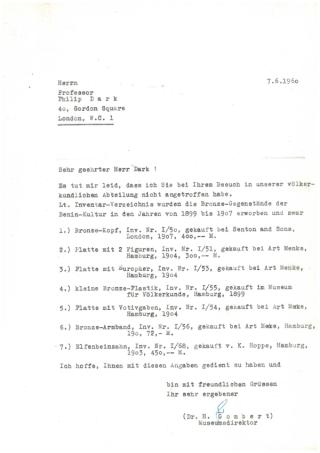
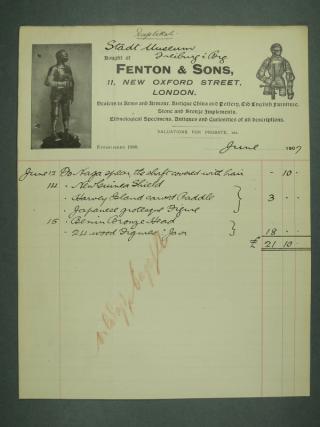
Sammler/in öffentlich prior source | Fenton & Sons |
Voreigentümer prior source | Fenton & Sons |
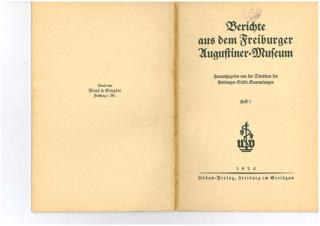
Objektgeschichte provenance | Ausgestellt in "Letzte Ölung Nigerdelta" 24.05.2014- 25.01.2015, Objekttext vorhanden. Ausstellungsbereich. Ausstellungstext zur Sonderausstellnug "Letzte Ölung Nigerdelta" verknüpft. |
Ethnie ethnic attribution | Edo |
Institution department and institution | Ethnologische Sammlung MNM |
Eingangsdatum accession date | 13.07.1907 |
Eingangsart accession method | Kauf |
Digitaler Katalog Standort display status | Nicht ausgestellt |
Nutzungsrechte (Medienobjekt) license | CC BY-NC-SA 4.0 |
URL-Digitalisat weblink | https://onlinesammlung.freiburg.de/de/object/BF5891F566284C9DB43E764C51460AF3 |
Fotograf (Medienobjekt) | Killian, Axel |
Sammlung | Afrika |
Schlagworte | Ethnologie (außereuropäische); Benin-Bronze |
Digital Benin collates digital material from institutions, and some of this material is inherently colonial and contains words, terms and phrases that are inaccurate, derogatory and harmful towards African and African diasporic communities. Catalogue transcriptions, book titles, exhibition titles and museum titles may contain harmful terms. We recognise the potential for the material to cause physical and mental distress as well as evoke strong emotions. Owing to the scale of the collection’s data, a process to implement sensitive-content warnings in the displayed data is still incomplete. The material within the catalogue does not represent Digital Benin’s views. Digital Benin maintains a strong anti-colonial, anti-racist position and affirms its support for centring the humanity of historically marginalised and disenfranchised communities. Read more about the background of this statement here